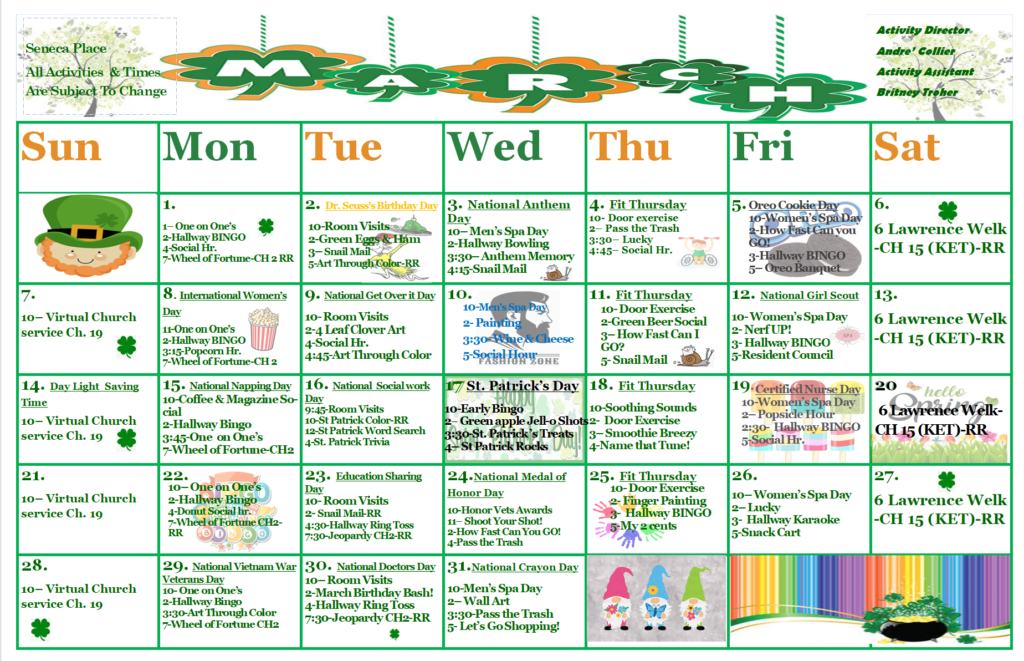
Activity Calendar: March 2020


CDC’s new v-safe tool uses text messages and surveys to check in with you after you get a COVID-19 vaccine. You can quickly tell CDC how you’re feeling and if you have any side effects. Get vaccinated, then:
Learn more about v-safe and how to register: https://bit.ly/3izTu0Z
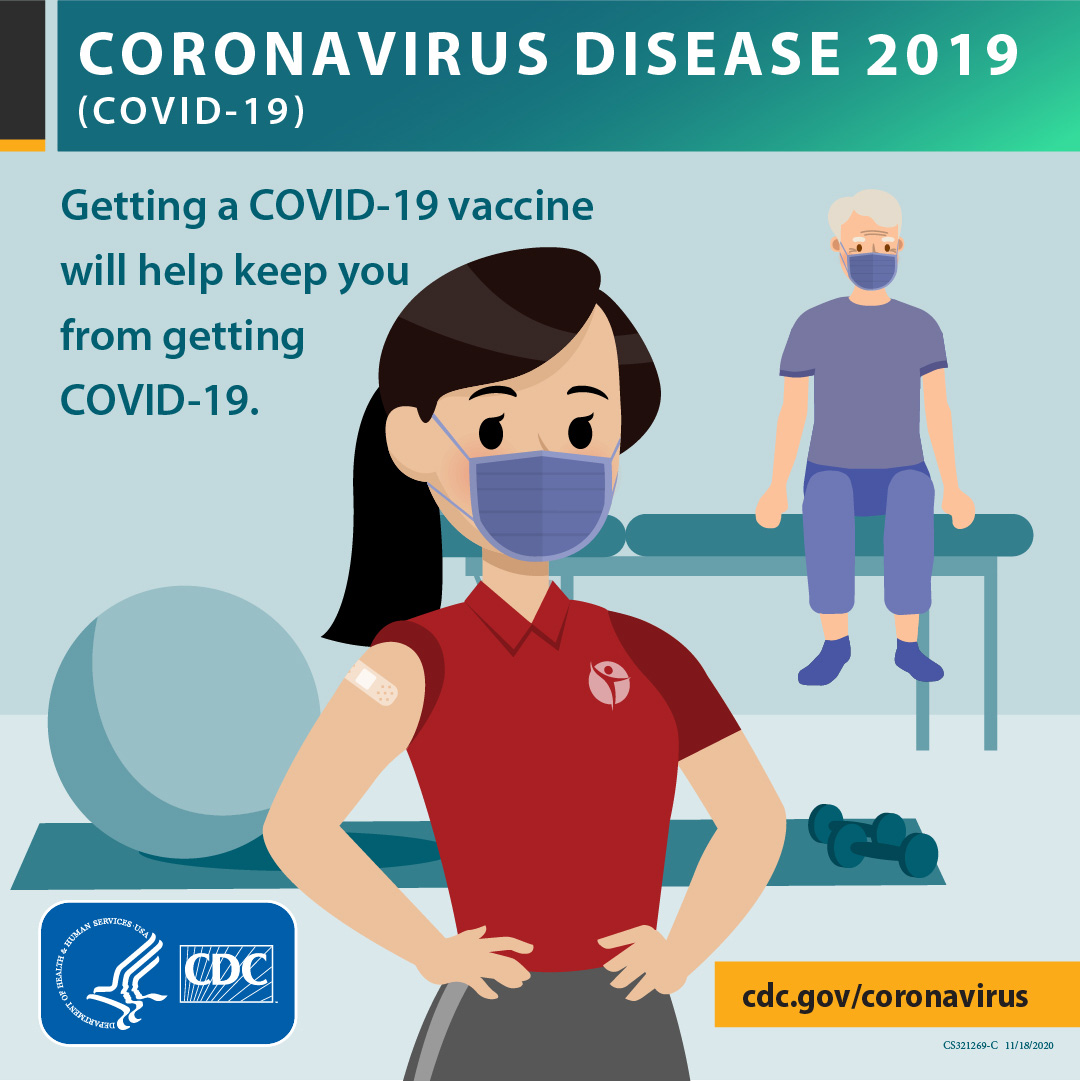
COVID-19 vaccination helps keep you from getting COVID-19.
The vaccines currently available in the United States are effective at preventing COVID-19, according to clinical trials, and are important tools to stop the pandemic.
Learn more: https://www.cdc.gov/coronavirus/2019-ncov/vaccines/vaccine-benefits.html
Q: How many people need to get a #COVID19 vaccine for herd immunity?
A: While experts don’t yet know how many people would need to get vaccinated to achieve herd immunity, vaccination is a safer way to build protection than getting sick.
For more FAQs, visit: https://www.cdc.gov/coronavirus/2019-ncov/vaccines/faq.html

Side effects after getting a #COVID19 vaccine are normal signs your body is building protection.
Side effects may even feel like flu and might affect your ability to do daily activities, but they should go away in a few days.
Learn more about what to expect after getting vaccinated, visit https://www.cdc.gov/coronavirus/2019-ncov/vaccines/expect/after.html
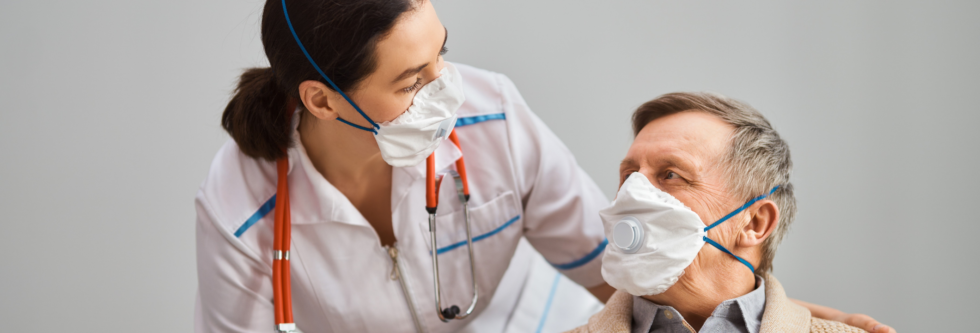
Even as vaccine distribution begin, we each need to do our part of prevent the spread of COVID-19. You should layer steps to help protect yourself and others from COVID-19.
• Wear a mask that covers your mouth AND nose.
• Stay at least 6 feet from people who don’t live with you, and avoid crowds.
• Wash your hands with soap and water for at least 20 seconds, or use hand sanitizer with at least 60 percent alcohol.
• Get a COVID-19 vaccine when it is your turn.
Help slow the spread of COVID-19. Learn more:
https://www.cdc.gov/coronavirus/2019-ncov/prevent-getting-sick/prevention.html
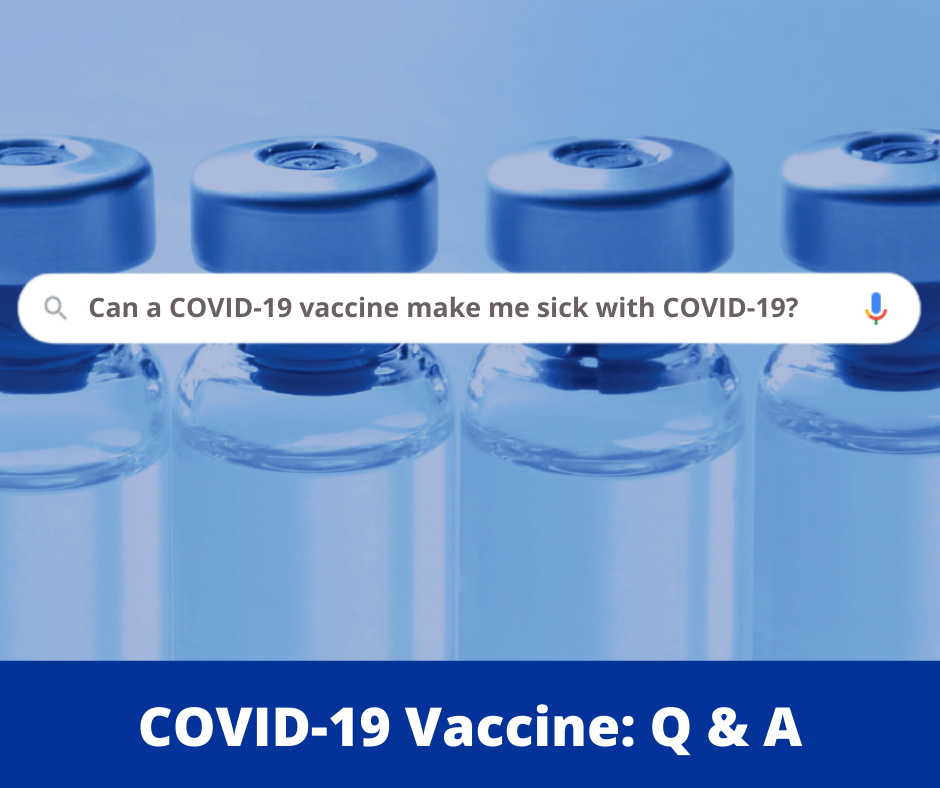
No. None of the authorized and recommended COVID-19 vaccines or COVID-19 vaccines currently in development in the United States contain the live virus that causes COVID-19. This means that a COVID-19 vaccine cannot make you sick with COVID-19.
There are several different types of vaccines in development. All of them teach our immune systems how to recognize and fight the virus that causes COVID-19. Sometimes this process can cause symptoms, such as fever. These symptoms are normal and are a sign that the body is building protection against the virus that causes COVID-19. Learn more about how COVID-19 vaccines work.
It typically takes a few weeks for the body to build immunity (protection against the virus that causes COVID-19) after vaccination. That means it’s possible a person could be infected with the virus that causes COVID-19 just before or just after vaccination and still get sick. This is because the vaccine has not had enough time to provide protection.
Learn more at https://www.cdc.gov/coronavirus/2019-ncov/vaccines/facts.html
(Info from the CDC – https://www.cdc.gov/coronavirus/2019-ncov/vaccines/faq.html)
All the COVID-19 vaccines being used have gone through rigorous studies to ensure they are as safe as possible. Systems that allow CDC to watch for safety issues are in place across the entire country.
The U.S. Food and Drug Administration (FDA) has granted Emergency Use Authorizations for COVID-19 vaccines that have been shown to meet rigorous safety criteria and be effective as determined by data from the manufacturers and findings from large clinical trials. Watch a video describing the emergency use authorization. Clinical trials for all vaccines must first show they meet rigorous criteria for safety and effectiveness before any vaccine, including COVID-19 vaccines, can be authorized or approved for use. The known and potential benefits of a COVID-19 vaccine must outweigh the known and potential risks of the vaccine.
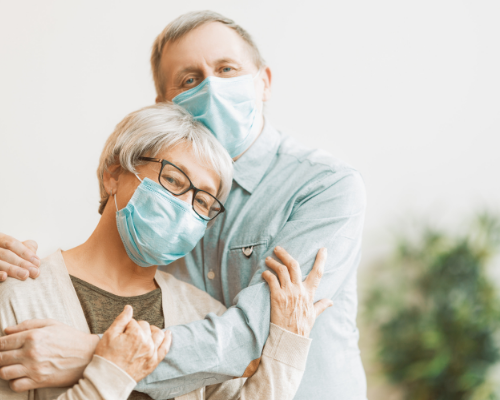
You may be concerned about getting vaccinated now that COVID-19 vaccines are available in the United States. While more COVID-19 vaccines are being developed as quickly as possible, routine processes and procedures remain in place to ensure the safety of any vaccine that is authorized or approved for use. Safety is a top priority, and there are many reasons to get vaccinated.
Information from the Centers for Disease Control and Prevention (CDC):
Learn more at https://www.cdc.gov/coronavirus/2019-ncov/vaccines/vaccine-benefits.html
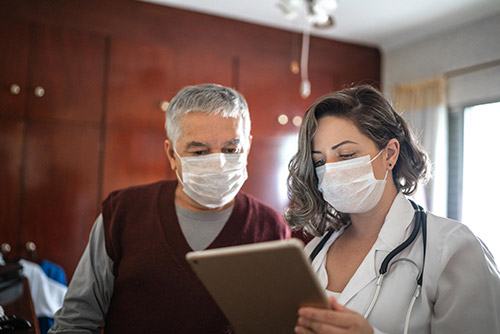
Talk to your doctor online, by phone, or e-mail.
If you must visit in-person, protect yourself and others
To learn more visit: https://www.cdc.gov/coronavirus/2019-ncov/daily-life-coping/doctor-visits-medicine.html
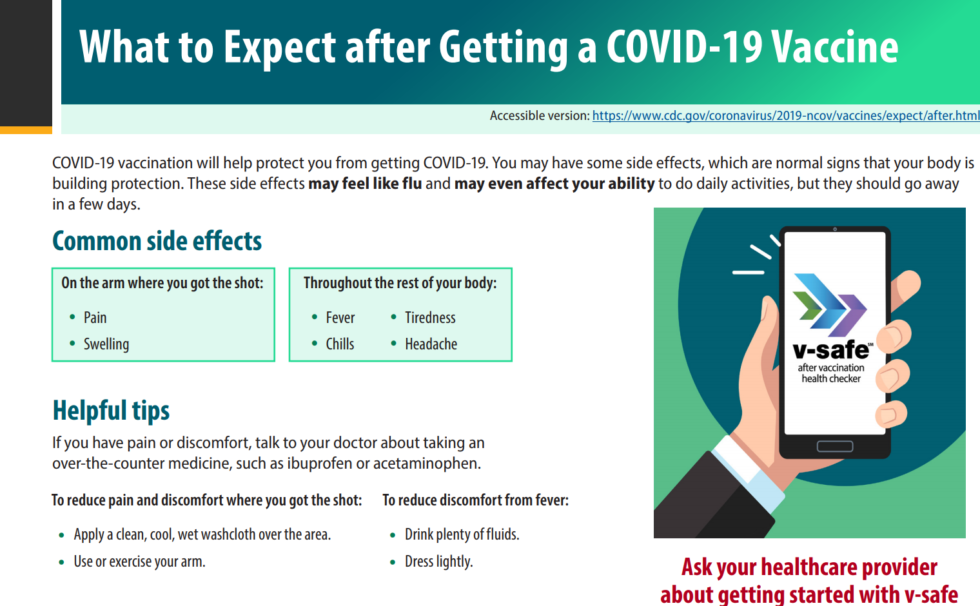
COVID-19 vaccination will help protect you from getting COVID-19. You may have some side effects, which are normal signs that your body is building protection. These side effects may feel like flu and may even affect your ability to do daily activities, but they should go away in a few days.
For more information, download our flyer:
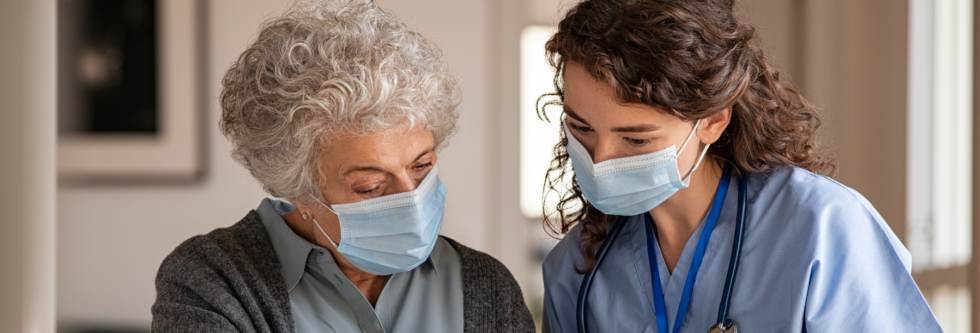
Because the supply of COVID-19 vaccine in the United States is expected to be limited at first, CDC is providing recommendations to federal, state, and local governments about who should be vaccinated first. CDC’s recommendations are based on recommendations from the Advisory Committee on Immunization Practices (ACIP), an independent panel of medical and public health experts.
The recommendations were made with these goals in mind:
CDC recommends that initial supplies of COVID-19 vaccine be allocated to healthcare personnel and long-term care facility residents. This is referred to as Phase 1a. CDC made this recommendation on December 3, 2020.
To learn more visit https://www.cdc.gov/coronavirus/2019-ncov/vaccines/recommendations.html
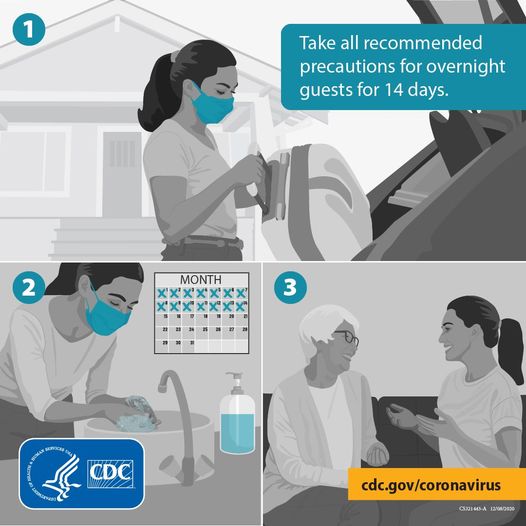
Travel can increase your risk of getting and spreading COVID-19. If traveling to visit family or friends, you should be thought of as an overnight guest and take all recommended precautions for 14 days upon arrival:
• Wear a mask that covers both your mouth AND nose.
• Avoid close contact with those you are visiting by staying at least 6 feet apart.
• Avoid contact with anyone who is sick.
• Avoid touching your mask, eyes, nose, and mouth.
• Improve ventilation by opening windows and doors.
• Wash your hands with soap and water or use hand sanitizer with at least 60% alcohol.
Learn more about Travel and Overnight Guests: https://bit.ly/2LLah4F
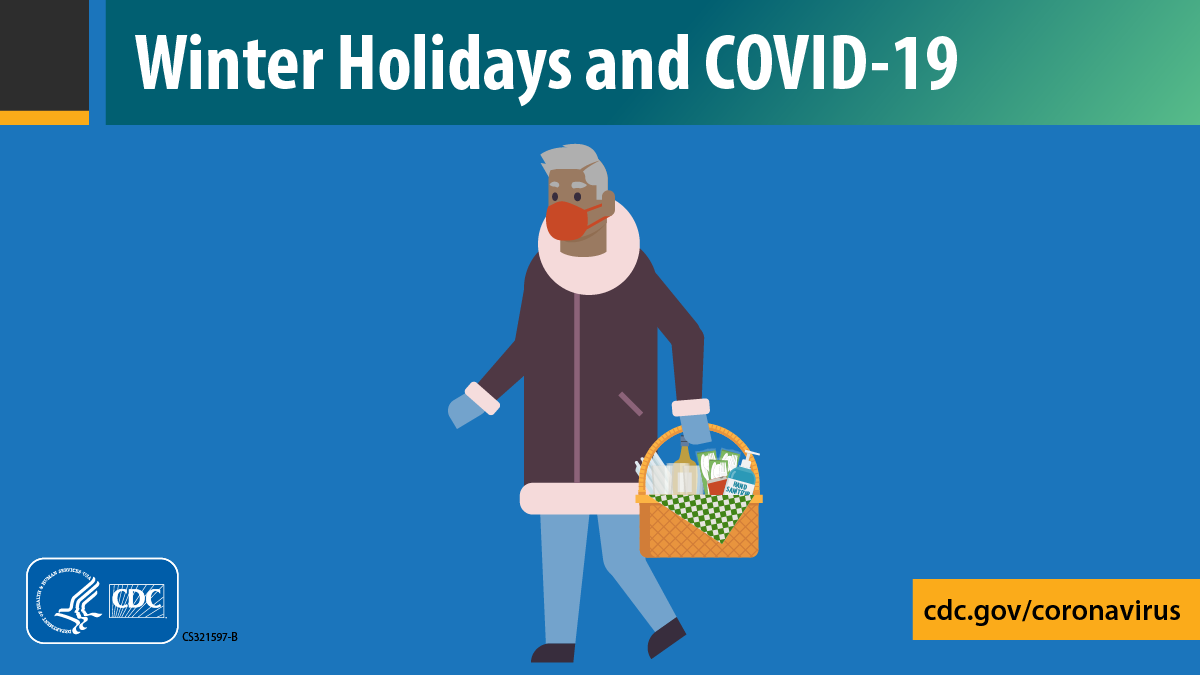
Attending a small celebration? Take these steps to make the #Holidays safer:
• Bring your own food, drinks, and utensils.
• #WearAMask and store it in your pocket or purse while eating and drinking.
• Avoid going in and out of food prep spaces.
• Space seating at least 6 feet apart for people who don’t live with you.
• Wash your hands with soap and water for at least 20 seconds or if unavailable, use 60% alcohol hand sanitizer.
More tips: https://www.cdc.gov/coronavirus/2019-ncov/daily-life-coping/holidays/winter.html

The COVID-19 pandemic has been stressful and isolating for many people. Gatherings during the upcoming holidays can be an opportunity to reconnect with family and friends. This holiday season, consider how your holiday plans can be modified to reduce the spread of COVID-19 to keep your friends, families, and communities healthy and safe.
Holiday celebrations will likely need to be different this year to prevent the spread.
Who should NOT attend a holiday gathering:
Do not host or participate in any in-person gatherings if you or anyone in your household:
• Has been diagnosed with COVID-19 and has not met the criteria for when it is safe to be around others
• Has symptoms of COVID-19
• Is waiting for COVID-19 viral test results
• May have been exposed to someone with COVID-19 in the last 14 days
• Is at increased risk of severe illness from COVID-19
Do not host or attend gatherings with anyone who has COVID-19 or has been exposed to someone with COVID-19 in the last 14 days.
Learn more at
https://www.cdc.gov/coronavirus/2019-ncov/daily-life-coping/holidays.html#holiday-celebrations
Bluegrass Consulting Group centers remain vigilant to living our Mission that creates a magical culture through the hearts of our Care Team Members. Each Bluegrass Consulting Group center prioritizes the health, safety, and well-being of all residents, Care Team members and family members within our community. This pandemic has seen unprecedented challenges for the healthcare industry, our nation, and our world. In particular, those challenges presented to Post-Acute Care, with all the changes in regulations, knowledge, and directives, the organization has sought to be in full compliance and a leader in the healthcare industry. The recent federal vaccine mandate is the most recent example of how we are asking our organization to rise to the challenge and lead the way. Through much communication, engagement, and research, we are announcing that all Bluegrass centers will embrace the requirement of the COVID-19 vaccine to keep our residents, Care Team members, and family members safe.
Effective October 1st, 2021 – all new hires will be required to be vaccinated.
Effective November 1st, 2021 – all Care Team Members and contracted employees will be required to be vaccinated.
The safety, security, and health of our residents and Care Team members is our number one concern, especially during this pandemic. We are assured that this requirement will provide the best approach to quality care for our communities and those residents we have the privilege to serve. We will continue to monitor updates and governmental direction regarding the mandate and will reserve the right to change this policy, if needed, to comply with all federal mandates. If you have questions or believe you qualify for a Medical or Religious exemption, you are encouraged to speak to your Human Resource Representative or Executive Director. All exemption requests will need to be submitted no later than October 15, 2021.
We continue to remain in this fight against COVID-19 together and our gratitude for all the support, hard work and commitment that is shown daily is overwhelming. You are what makes the Bluegrass difference.
Sincerely,
Bernard McGuinness, CEO
Bluegrass Consulting Group
To Our Residents and Family Members:
We know some of you may be concerned about the spread of COVID-19 (the new coronavirus) being reported in the media and how it may impact us here at the center.
Our top priority is keeping our residents and Care Team Members safe and we feel these measures are needed to ensure their safety. We understand that connecting with family members is incredibly important and there are a variety of other ways you might consider connecting with them. These may include telephone, email, text or through Skype or Facebook. Our Care Team Members are happy to help facilitate these alternative methods.
Our center is following the recommendations of the CDC on prevention steps, including following strict hand-washing procedures, and in many circumstances, wearing gowns and gloves when interacting with residents who are sick. We also are staying up-to-date with the CDC recommendations as they are updated. In addition, the center is in close contact with the local and state health department and are following their guidance.
We will notify you if any residents or Care Team Members are diagnosed with COVID-19. Should you have any questions, please feel free to contact the Executive Director.
Ensuring residents are cared for in a safe and healthy environment is our greatest responsibility. 𝗢𝘂𝗿 𝘁𝗲𝗮𝗺 𝗶𝘀 𝗽𝗿𝗼𝘂𝗱 𝘁𝗼 𝗹𝗲𝗮𝗱 𝘁𝗵𝗲 𝘄𝗮𝘆 𝗯𝘆 𝗱𝗲𝗹𝗶𝘃𝗲𝗿𝗶𝗻𝗴 𝗮𝗻 𝗶𝗻𝗱𝘂𝘀𝘁𝗿𝘆-𝗱𝗲𝗳𝗶𝗻𝗶𝗻𝗴 𝘀𝘁𝗮𝗻𝗱𝗮𝗿𝗱 𝗼𝗳 𝗹𝗼𝗻𝗴-𝘁𝗲𝗿𝗺 𝗰𝗮𝗿𝗲 𝗰𝗹𝗲𝗮𝗻𝗹𝗶𝗻𝗲𝘀𝘀. As part of the “Seneca Place Defense” program, we follow a scientific approach using rigorous measures and our industry’s best products. We closely monitor recommendations from The Centers for Disease Control and Prevention (CDC). Our extensive efforts include:
Weekly COVID-19 Testing: All Care Team Members are tested at a minimum of every week.
Sign-In Kiosks and Temperature Monitoring: We utilize a digital system to screen guests and Care Team Members for symptoms of acute respiratory illness (e.g., fever, cough, difficulty breathing) before entering our community.
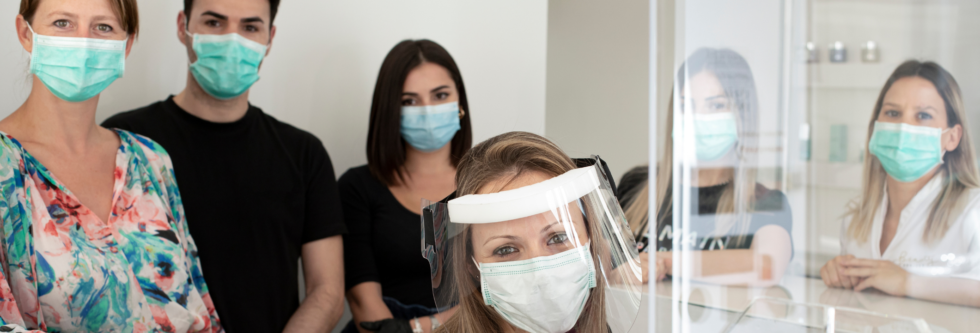
Personal Protective Equipment: Care Team Members and residents have access to masks (surgical, N95), gloves, gowns, face shields, and hand sanitizer. Care Team Members are required to wear a mask at all times.
Recycled Air Ionizer: Air Ionizers are installed directly into air ducts, producing positive and negative ions that neutralize harmful pollutants and odors in our buildings.
Plexiglass at Check-in and Nurses Stations: Plexiglass Shields at reception and nurses stations provide a physical barrier to reduce exposure and cross-contamination.
Electrostatic Sprayers: Sprayers provide a uniform and wraparound layer of germ-killing power, providing maximum efficiency disinfecting surfaces.
Deep-Clean Sanitization: Sanitizing lowers the number of germs on surfaces or objects to a safe level.
Daily Communications with Families: Our automated system keeps families and loved ones informed on COVID19 cases.
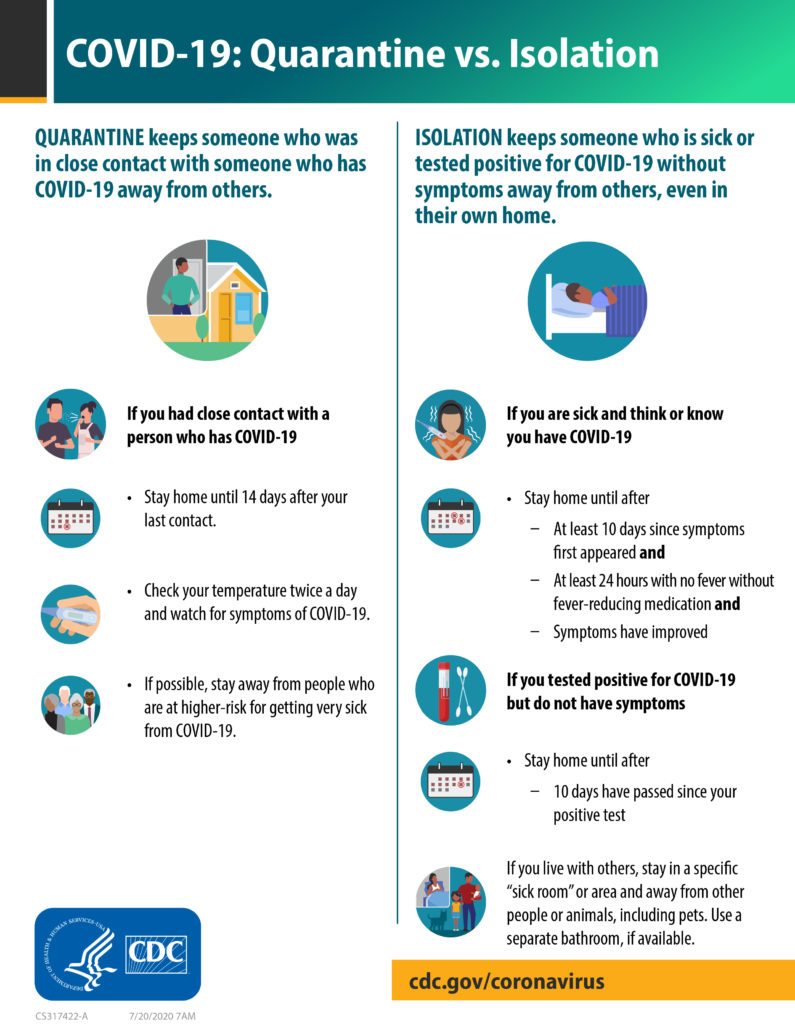
Quarantine is used to keep someone who might have been exposed to COVID-19 away from others. Quarantine helps prevent spread of disease that can occur before a person knows they are sick or if they are infected with the virus without feeling symptoms.
People in quarantine should stay home, separate themselves from others, monitor their health, and follow directions from their state or local health department.
When to Quarantine?
People who have been in close contact with someone who has COVID-19—excluding people who have had COVID-19 within the past 3 months.
People who have tested positive for COVID-19 do not need to quarantine or get tested again for up to 3 months as long as they do not develop symptoms again.
People who develop symptoms again within 3 months of their first bout of COVID-19 may need to be tested again if there is no other cause identified for their symptoms.
What counts as close contact?
• You were within 6 feet of someone who has COVID-19 for a total of 15 minutes or more
• You provided care at home to someone who is sick with COVID-19
• You had direct physical contact with the person (hugged or kissed them)
• You shared eating or drinking utensils
• They sneezed, coughed, or somehow got respiratory droplets on you
For more information, visit https://www.cdc.gov/coronavirus

This Thanksgiving, staying home is the best way to protect yourself and others from COVID-19. Also consider these tips:
• Avoid crowds. Shop online sales the day after Thanksgiving and the days leading up to winter holidays.
• Use contactless delivery or curbside pick-up for purchased items.
• Shop in open-air markets and stay 6 feet away from others.
More tips:
https://www.cdc.gov/coronavirus/2019-ncov/daily-life-coping/holidays/thanksgiving.html
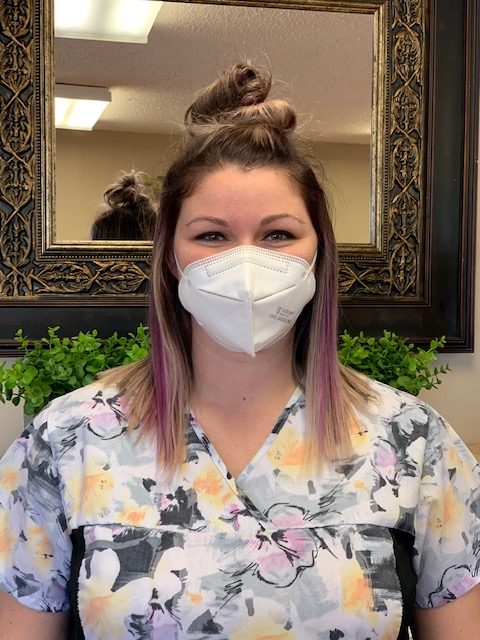
COVID-19 spreads mainly from person to person through respiratory droplets. Respiratory droplets travel into the air when you cough, sneeze, talk, shout, or sing. These droplets can then land in the mouths or noses of people who are near you or they may breathe these droplets in.
Masks are a simple barrier to help prevent your respiratory droplets from reaching others. Studies show that masks reduce the spray of droplets when worn over the nose and mouth.
Your mask should:
✔️ Reach above the nose, below the chin, and completely cover the mouth and nostrils
✔️ Fit snugly against the sides of the face
✔️ Be made of multiple layers of fabric that you can still breathe through
✔️ Be able to be laundered and machine dried without damaging the material or shape
Do not buy surgical masks to use as a mask. Those are intended for healthcare workers and first responders.
If these tips don’t help or you have concerns about wearing a mask, talk with your doctor about how to protect yourself and others during the pandemic.
Whether you test positive or negative for COVID-19, you should take preventive measures to protect yourself and others.
A viral test checks samples to find out if you are currently infected with COVID-19. The time it takes to process these tests can vary. You can visit your state or local health department’s website to look for the latest local information on testing.
• If you have symptoms of COVID-19 and want to get tested, call your healthcare provider first.
• If you have symptoms of COVID-19 and are not tested, it is important to stay home. Find out what to do if you are sick
Learn what actions to take when you receive either a negative or a positive COVID-19 test result.
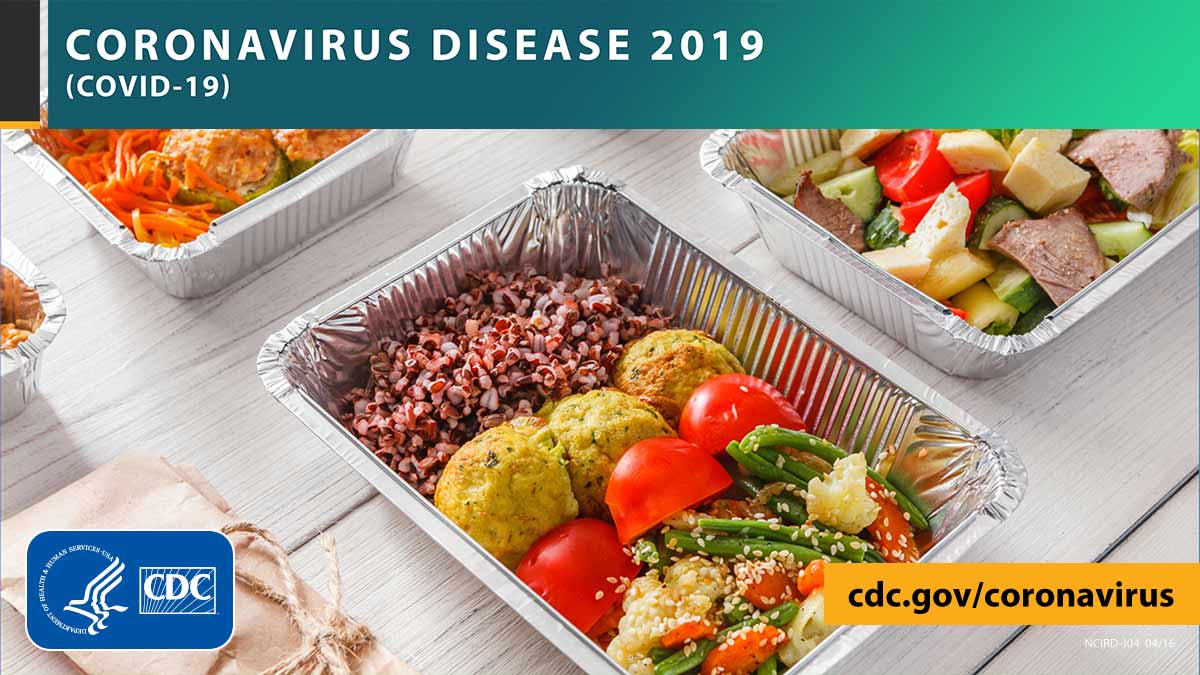
Picking up takeout food while slowing the spread of COVID-19?
Learn more about taking essential trips at this time: https://www.cdc.gov/coronavirus/2019-ncov/daily-life-coping/essential-goods-services.html
Going out? Keep these items on hand when in public spaces: a mask, disinfecting wipes, and a hand sanitizer with at least 60% alcohol, if possible.
Learn more about everyday ways to slow the spread of #COVID19: https://www.cdc.gov/coronavirus/2019-ncov/daily-life-coping/going-out.html
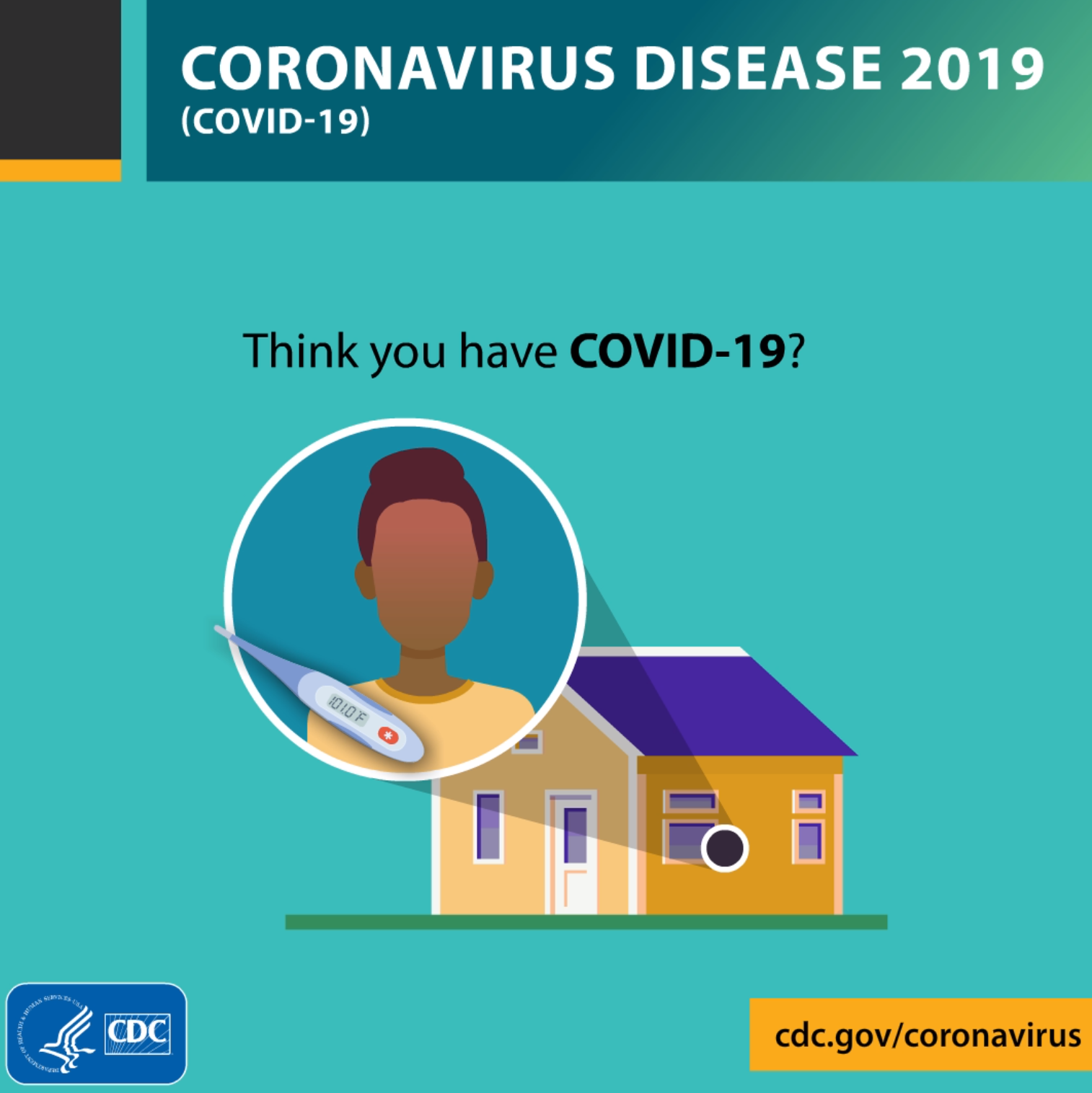
Do you think you may have COVID-19? If you think you’re sick, follow guidance about when to call your doctor:
• Monitor your symptoms
• Call ahead before visiting your doctor
• Avoid close contact with others when you’re out
Most people who get COVID-19 can take care of themselves at home. If you need to see a doctor, take precautions to protect yourself and others around you.
See more: https://www.cdc.gov/coronavirus/2019-ncov/if-you-are-sick/steps-when-sick.html
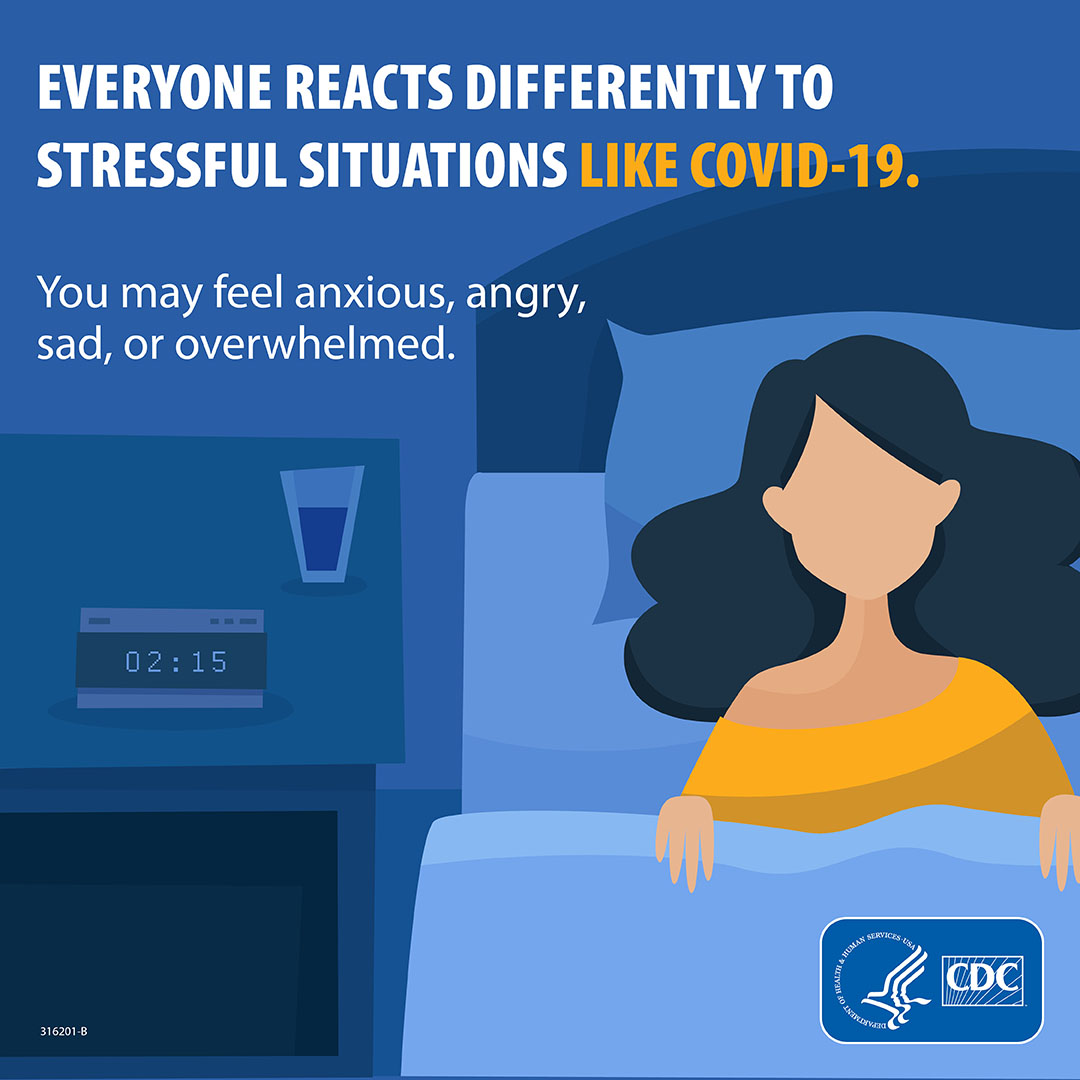
Everyone reacts differently to stressful situations like COVID-19. You may feel anxiousness, anger, sadness, or overwhelmed. Find ways to reduce your stress to help yourself and the people you care about.
• Learn the common signs of stress.
• Make time to unwind and do activities you enjoy.
• Talk with family and friends by phone, text, or email.
If you or a loved one is feeling overwhelmed, get support 24/7 by calling 1-800-985-5990 or text TalkWithUs to 66746.
Learn more about stress and coping during the COVID-19 outbreak: https://www.cdc.gov/coronavirus/2019-ncov/prepare/managing-stress-anxiety.html
Information provided by the Centers for Disease Control and Prevention
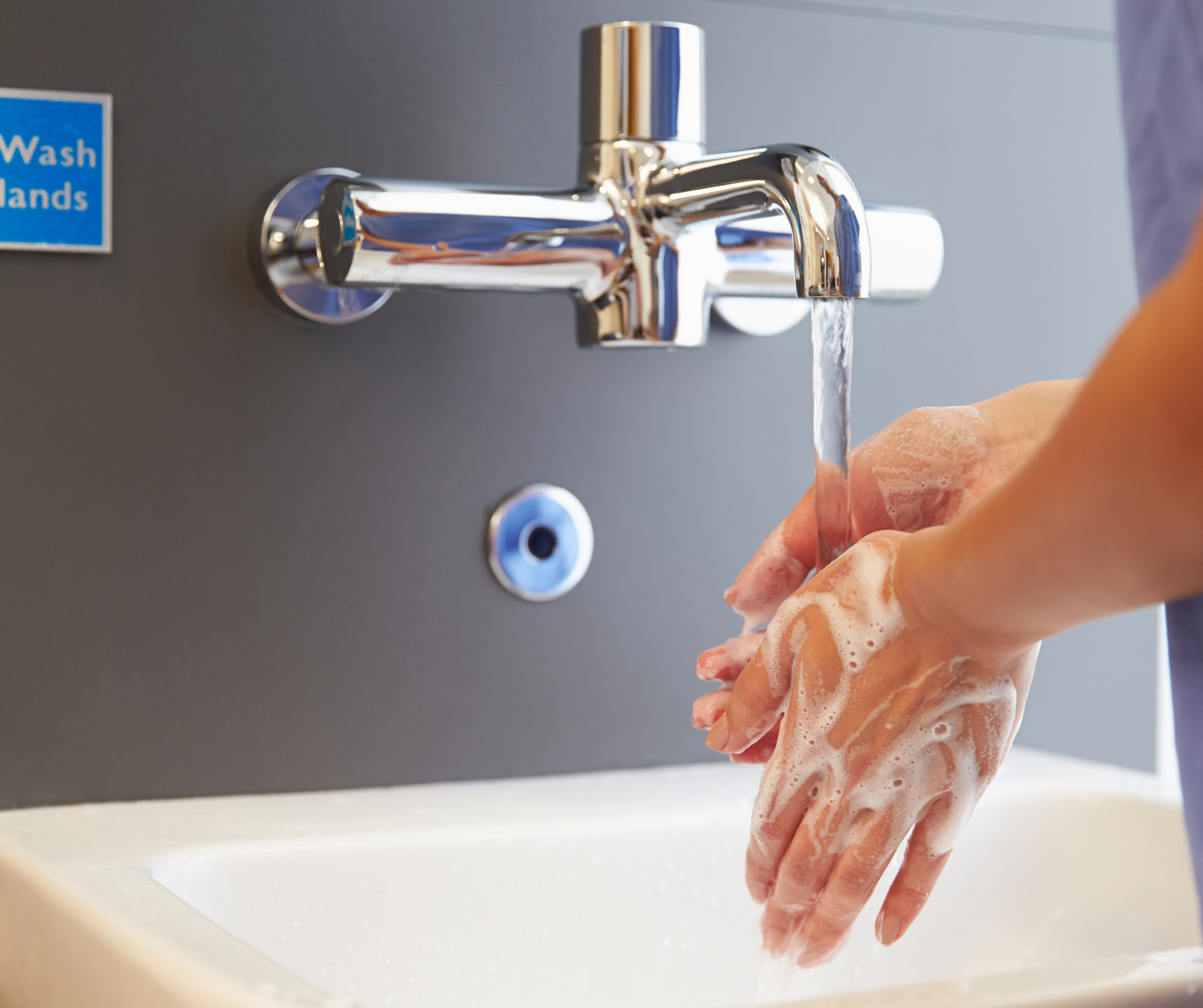
Hand hygiene is an important part of the U.S. response to the international emergence of COVID-19. Practicing hand hygiene, which includes the use of alcohol-based hand rub (ABHR) or handwashing, is a simple yet effective way to prevent the spread of pathogens and infections in healthcare settings.
Hand Hygiene means cleaning your hands by using either handwashing (washing hands with soap and water), antiseptic hand wash, antiseptic hand rub (i.e. alcohol-based hand sanitizer including foam or gel), or surgical hand antisepsis
Cleaning your hands reduces:
Methods for Hand Hygiene: Alcohol-Based Hand Sanitizer vs. Washing with Soap and Water
Learn more at: https://www.cdc.gov/handhygiene/providers/index.html
Content provided by the Centers for Disease Control and Prevention.
Wondering how you can do your daily activities safely while protecting yourself and your loved ones from COVID-19?
The more closely you interact with others and the longer that interaction, the higher the risk of COVID-19 spread.
So, think about
(“PST” here’s a hint – think People, Space, and Time.)Learn more about assessing the risk when you‘re deciding to go out: https://www.cdc.gov/coronavirus/2019-ncov/daily-life-coping/deciding-to-go-out.html
If you have fever, cough, loss of taste or smell or certain other symptoms, you might have COVID-19. If you think you might have COVID-19 or think you may have been near someone who has COVID-19, contact a healthcare provider for medical advice. Learn more at https://bit.ly/2IV3uRh or watch the video below.
Information provided by the Centers for Disease Control and Prevention

Providing care to others during the COVID-19 pandemic can lead to stress, anxiety, fear, and other strong emotions. How you cope with these emotions can affect your well-being, the care you give to others while doing your job, and the well-being of the people you care about outside of work.
During this pandemic, it is critical that you recognize what stress looks like, take steps to build your resilience and cope with stress, and know where to go if you need help.
Tips to cope and enhance your resilience:

When choosing to go out in public or visit a loved one at higher risk, the Centers for Disease Control and Prevention (CDC) recommends we pay close attention to our symptoms. For those of us with seasonal allergies, understanding symptoms can present a challenge!
Seasonal allergies triggered by airborne pollen can lead to seasonal allergic rhinitis, which affects the nose and sinuses, and seasonal allergic conjunctivitis, which affects the eyes. Your sniffles and sneezes may seem like symptoms of COVID-19.
While COVID-19 and seasonal allergies share many symptoms, there are some key differences between the two.
For example, COVID-19 can cause fever, which is not a common symptom of seasonal allergies. The image below compares symptoms caused by allergies and COVID-19.
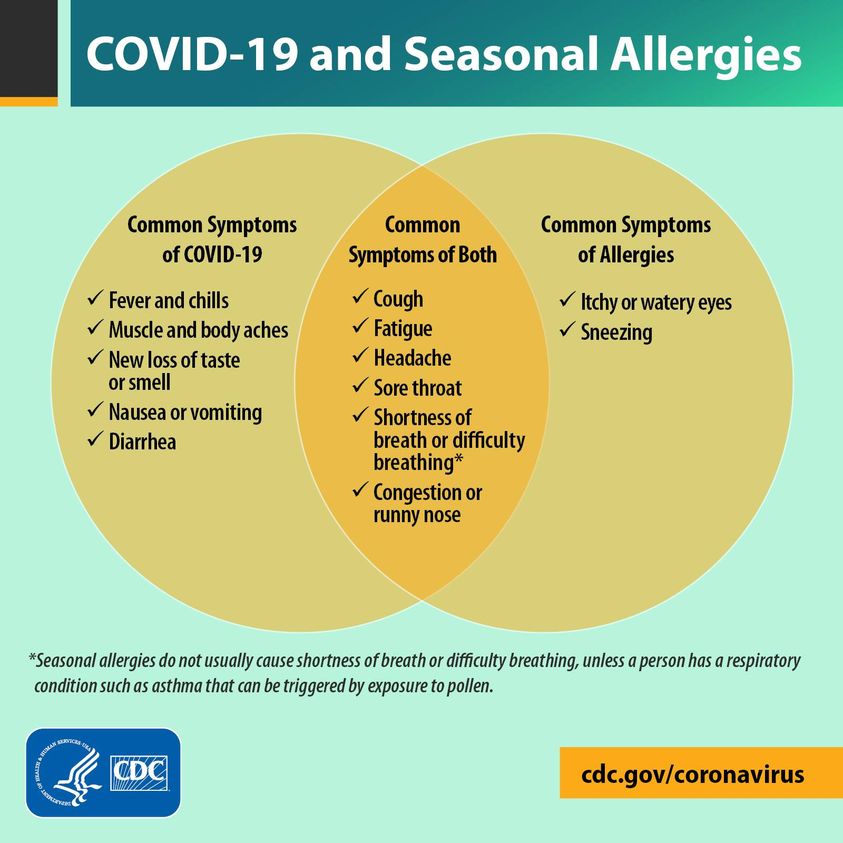
*Seasonal allergies do not usually cause shortness of breath or difficulty breathing, unless a person has a respiratory condition such as asthma that can be triggered by exposure to pollen.
This is not a complete list of all possible symptoms of COVID-19 or seasonal allergies. Symptoms vary from person to person and range from mild to severe. You can have symptoms of both COVID-19 and seasonal allergies at the same time.
If you think you have COVID-19, follow CDC’s guidance on ”What to do if you are sick.” If you have an emergency warning sign (including trouble breathing), seek emergency medical care immediately.
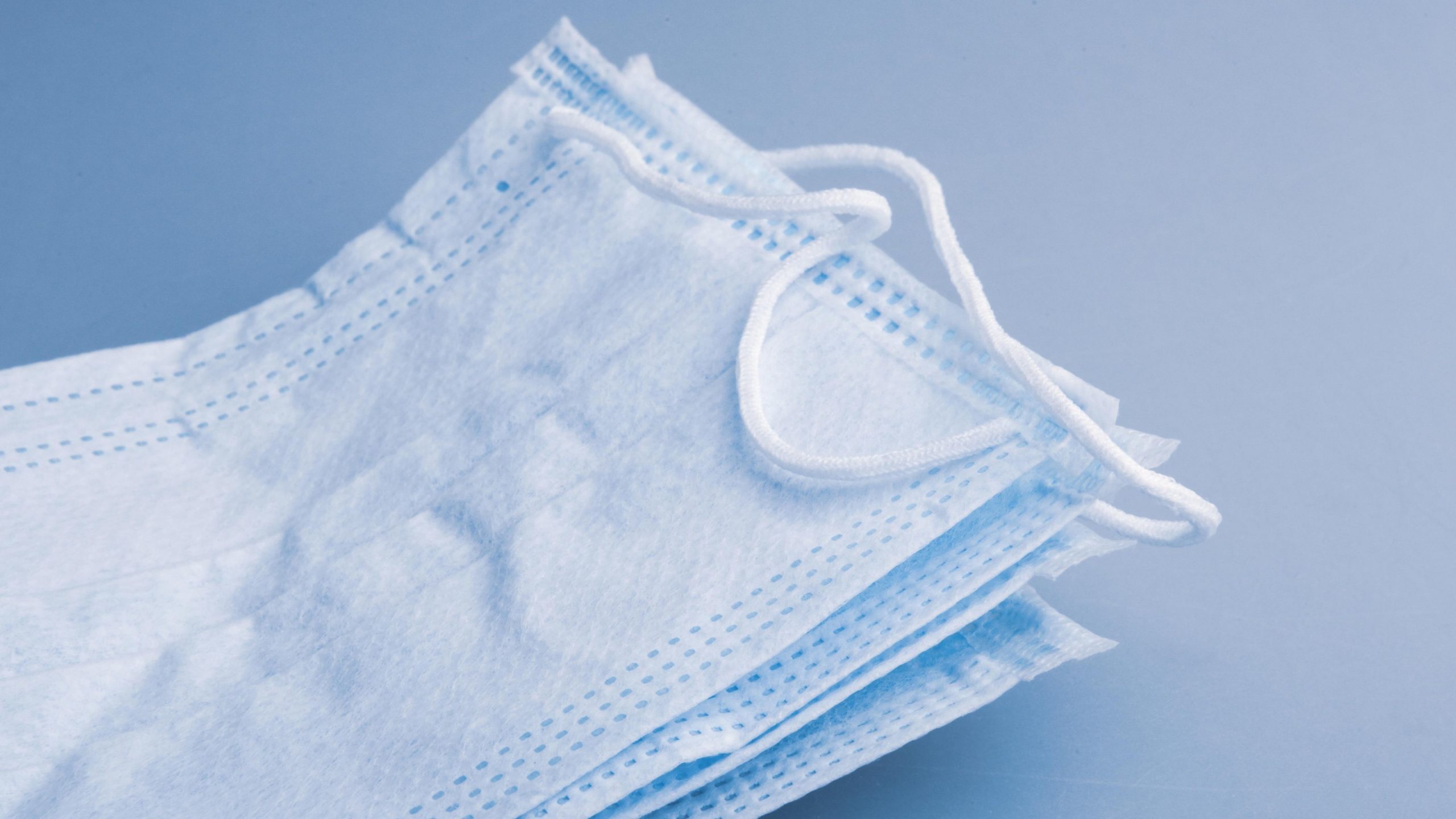
Covid-19 has been found to spread mainly from person to person via respiratory droplets produced when an infected person coughs, sneezes, or talks. The Centers for Disease Control and Prevention recommends wearing face masks to help slow the spread of COVID-19 when combined with every day preventive actions and social distancing in public settings.
Here are some guidelines on how to properly wear and take off a mask.
For more info, see: cdc.gov/coronavirus
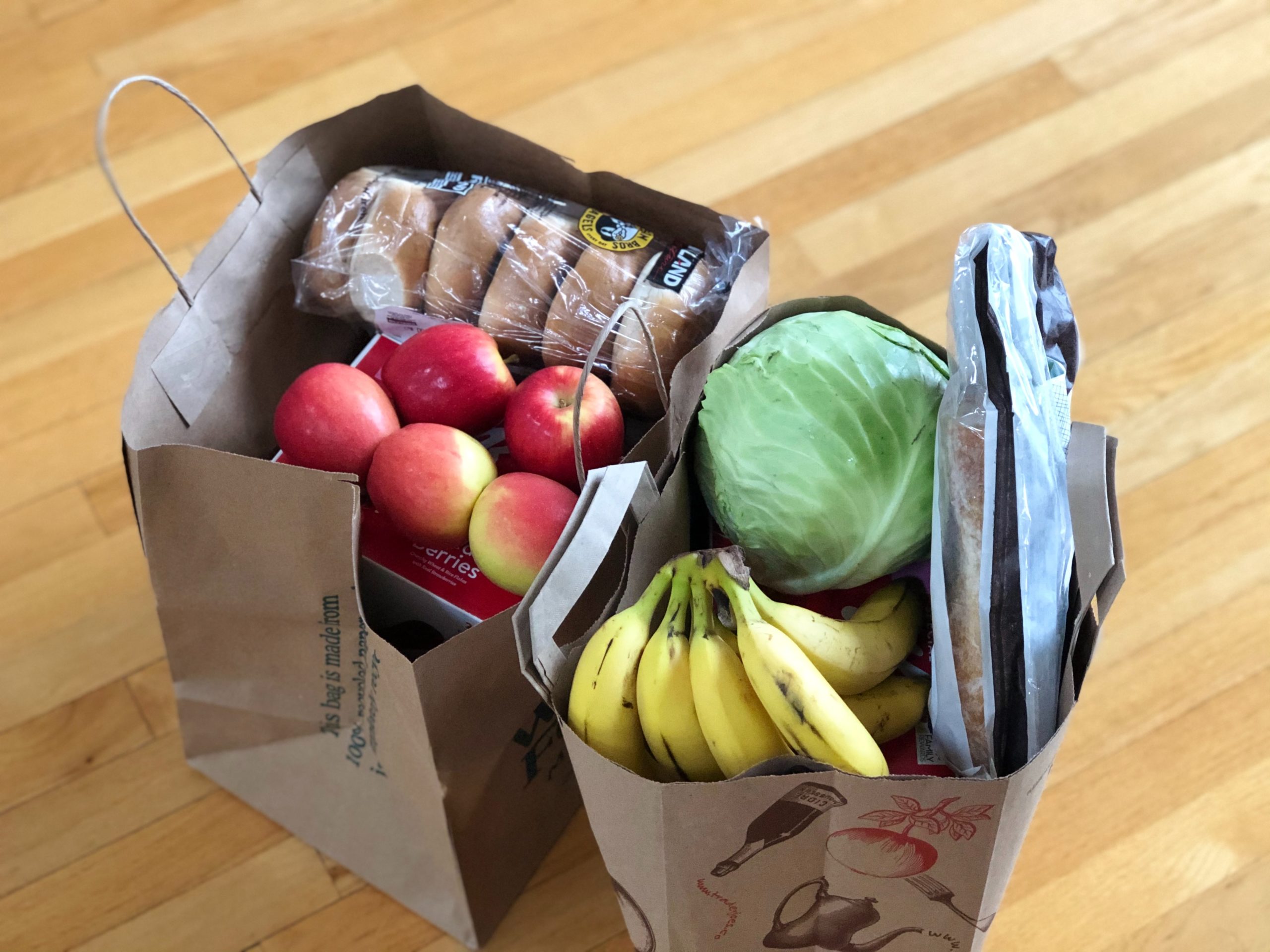
Currently, there is no evidence to suggest that handling food or consuming food is associated with COVID-19.
Coronaviruses, like the one that causes COVID-19, are thought to spread mostly person-to-person through respiratory droplets when someone coughs, sneezes, or talks. It is possible that a person can get COVID-19 by touching a surface or object, including food or food packaging, that has the virus on it and then touching their own mouth, nose, or possibly their eyes. However, this is not thought to be the main way the virus spreads.
After shopping, handling food packages, or before preparing or eating food, it is important to always wash your hands with soap and water for at least 20 seconds. If soap and water are not available, use a hand sanitizer that contains at least 60% alcohol. Cover all surfaces of your hands and rub them together until they feel dry. Remember, it is always important to follow good food safety practices to reduce the risk of illness from common foodborne pathogens.
Content Source: The Center for Disease Control and Prevention
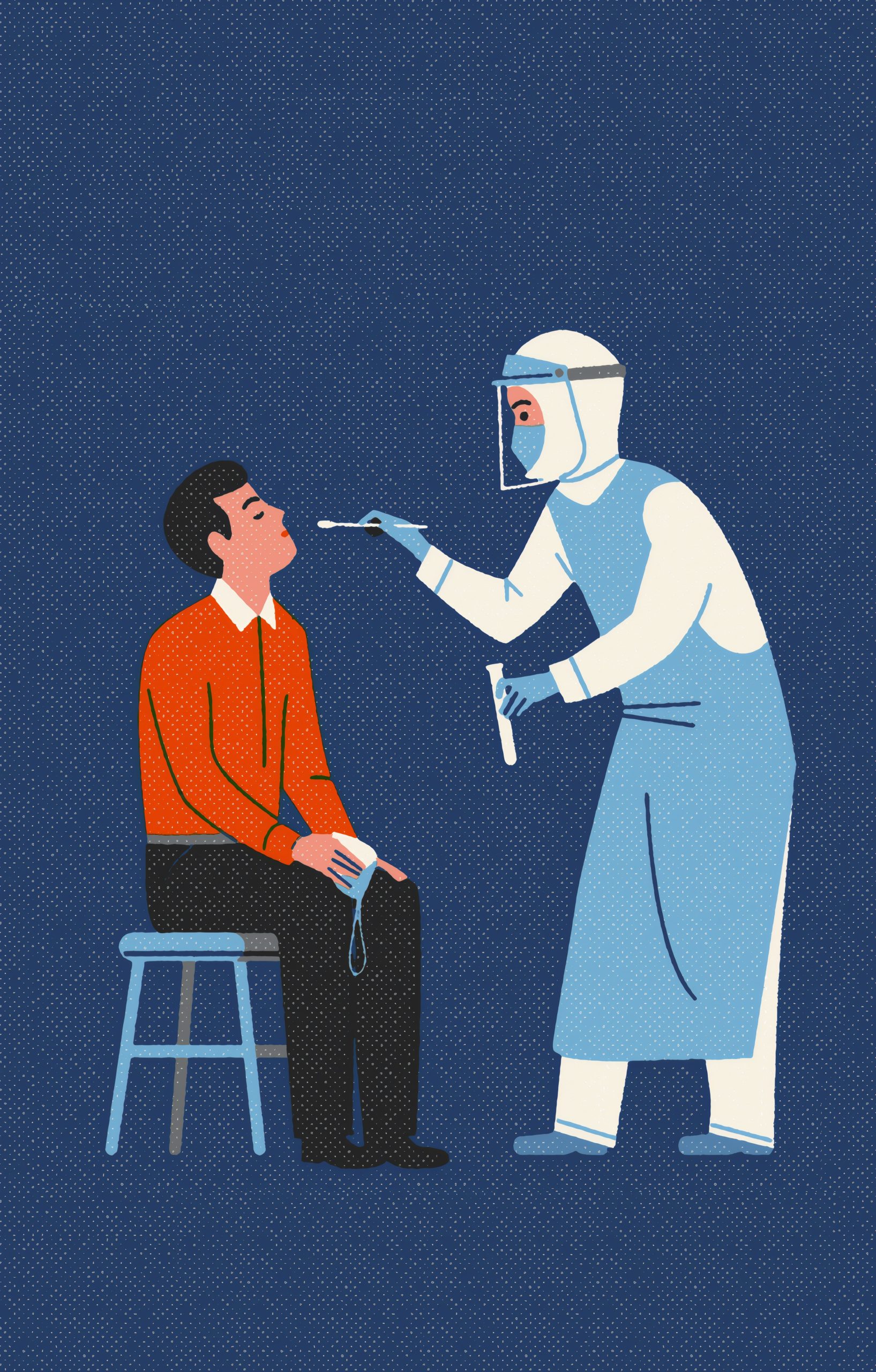
Viral tests check samples from your respiratory system, such as a swab from the inside of your nose, to tell you if you currently have an infection with SARS-CoV-2, the virus that causes COVID-19. Some tests are point-of-care tests, meaning results may be available at the testing site in less than an hour. Other tests must be sent to a laboratory to analyze, a process that takes 1–2 days once received by the lab.
How to get a Viral Test
Here is some information that may help you make decisions about getting a viral test:
• Most people have mild illness and can recover at home without medical care. Contact your healthcare provider if your symptoms are getting worse or if you have questions about your health.
• Decisions about testing are made by state and local health departments or healthcare providers.
• If you have symptoms of COVID-19 and are not tested, it is important to stay home.
What to do After a Viral Test
• If you test positive for COVID-19, know what protective steps to take if you are sick or caring for someone.
• If you test negative for COVID-19, you probably were not infected at the time your sample was collected. However, that does not mean you will not get sick. The test result only means that you did not have COVID-19 at the time of testing. You may test negative if the sample was collected early in your infection and test positive later during your illness. You could also be exposed to COVID-19 after the test and get infected then. This means you could still spread the virus. If you develop symptoms later, you may need another test to determine if you are infected with the virus that causes COVID-19.
COVID-19 testing differs by location. If you have symptoms of COVID-19 and want to get tested, call your healthcare provider first. You can also visit your state or local health department’s website to look for the latest local information on testing.
On June 25th, Governor Beshear provided guidance to safely open visitation of nursing homes. As part of the reopening initiative, Seneca Place will begin to allow visitors on July 23rd; however, there are specific guidelines that must be followed. Our top priority is keeping our residents and care team members safe, and we feel the guidelines below will ensure their safety.
Visits must be pre-arranged or scheduled by calling the center. No visits will be allowed unless it has been pre-arranged. Visits will be limited per day and no longer than 30 minutes time per visit.
We will allow only 4 visitors at a time (1 per resident) and the visitors must wear masks and practice social distancing at all times which will not allow touching or hugging.
All visits will preferably take place outside of the facility weather permitting. Visitors are not allowed in care areas of the facility, including resident rooms. With that said, please keep in mind that visits may be canceled due to the weather or extreme temperatures.
If a resident is unable to visit outside, we will accommodate in the center visits, excluding resident rooms and care areas. We can also set up a time to connect to the resident by way of video chatting, face timing, if you contact the Activity Department.
All visitors will be screened at the time of the visit and will be asked to self-monitor and practice all recommended precautions before and after the visit. You will be required to utilize hand sanitizer prior to the visit, wear a mask and sign a visitor attestation form.
Please do not visit if you or anyone that you have been in contact with has been ill or has been diagnosed with COVID 19. Please also report if you or anyone that you have been in contact with becomes ill or is diagnosed with COVID 19 soon after a visit.
Visits can be declined or ceased at any time. This can occur if the guidelines are not followed by visitors or if there is an onset of symptoms or new COVID 19 cases within the center, either with residents or care team members.
Notification of any changes will be posted to our Facebook page and website. It will also be mailed to residents and/or responsible parties. You can also call the center at any time to see if there are any updates or changes to the visitation policy. We will also be updating our website at www.senecapl.com and will be adding an electronic calendar to also schedule visits as soon as possible.
Thank you for your time and patience.
Sincerely,
Taylor Shaw, LNHA
Executive Director
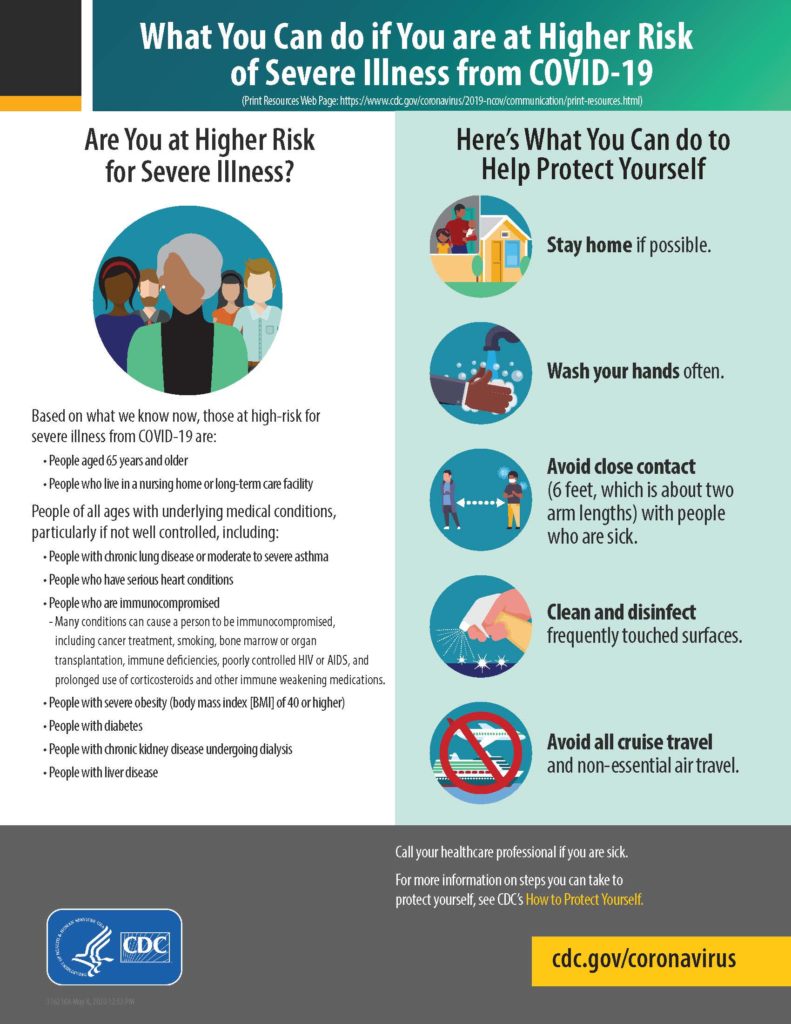
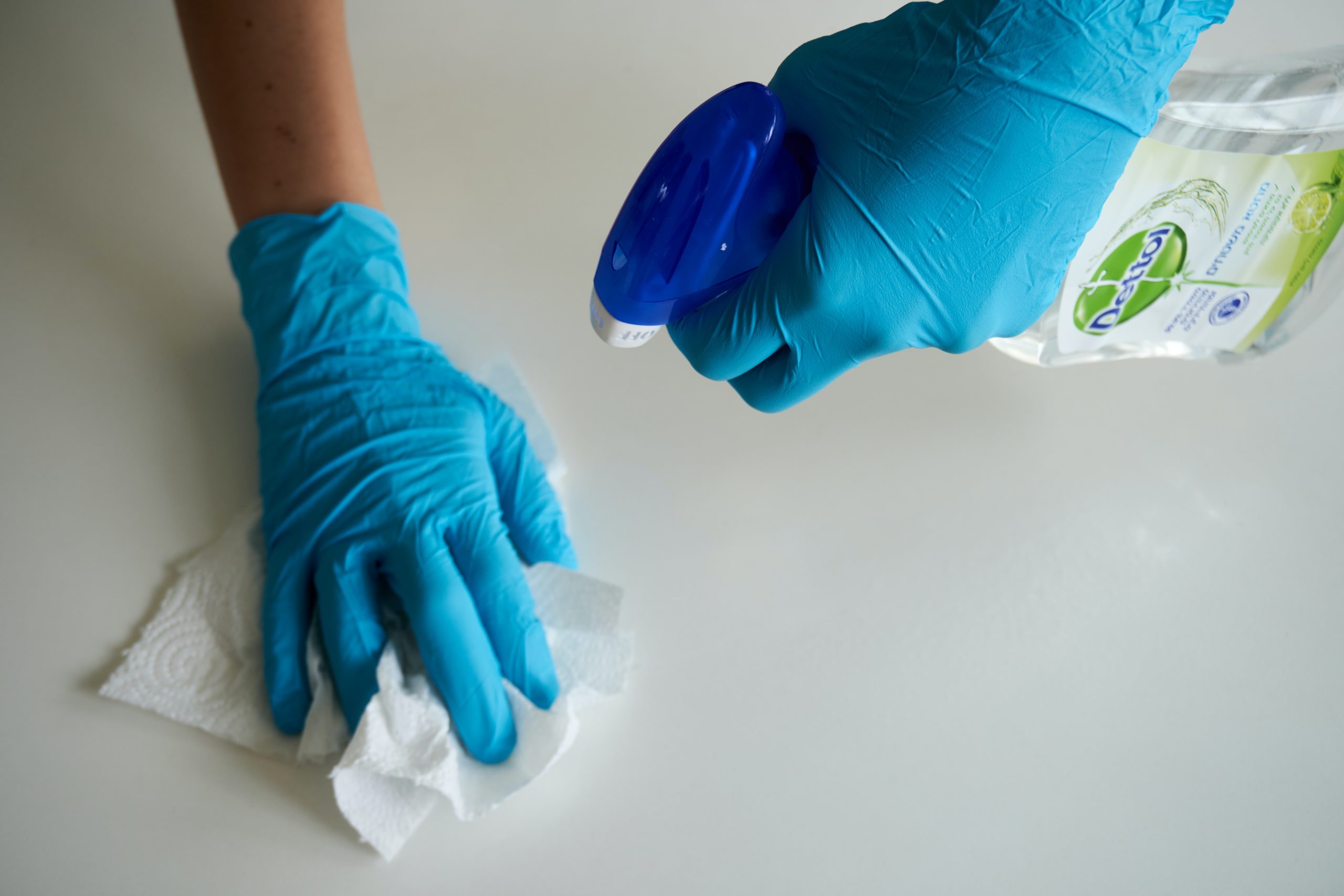
When cleaning and disinfecting a public space, workplace, business, school or even your home, you have to put together a plan. Cleaning with soap and water removes germs, dirt, and impurities from surfaces while disinfecting actually kills the germs on surfaces. Cleaning lowers the risk of spreading infection, but disinfecting can even further lower that risk. Once you have a plan in place, you must implement then maintain and revise.
Develop Your Plan
Consider the type of surface and how often the surface is touched. Prioritize disinfecting frequently touched surfaces and be mindful of the availability of products needed and PPE.
Implement the Plan
Maintain and Revise the Plan
Continue to revise and improve upon your plan based on the appropriate disinfectant and PPE availability. Frequently wash your hands, use cloth face coverings and stay home while you are sick.
Content Source: The Center for Disease Control and Prevention

If you have read our previous articles, you know that Covid-19 spreads mainly among people who are in close contact with one another for a prolonged period of time. When an infected person coughs, sneezes, or talks, droplets from their nose or mouth are scattered into the air and land in the mouths or noses of those they’re around. This is why it is important to maintain social distancing.
Social distancing means to keep space between yourself and others outside of your home. To practice social distancing, stay at least 6 feet away from others (two arm lengths apart).
Limiting close contact with others outside your household in indoor and outdoor spaces is one of the best tools we have to avoiding exposure to the virus and it will ultimately slow the spread of the virus and flatten the curve. Since people can spread the virus before they know they are even sick, it is important to stay away from others whenever possible; even if they are not presenting symptoms.
Many people have personal circumstances or situations that present challenges with practicing social distancing, but with each person who does practice proper social distancing, wears a fabric mask in everyday activities where social distancing is challenged, we can flatten the curve and get through this together.

Covid-19 has been found to spread mainly from person to person via respiratory droplets produced when an infected person coughs, sneezes, or talks. Studies show that these droplets can usually travel around 6 feet and can land in the mouths or noses of people who are within that distance and possibly be inhaled into the lungs. Wearing a cloth face covering may not protect the wearer directly, but it may keep the wearer from spreading the virus to others. The Center for Disease Control recommends wearing cloth face coverings in public settings where other social distancing measures are difficult to maintain.
Examples of those settings include:
• Grocery stores
• Pharmacies
• Gas stations
• Post Office
• Bank
Cloth face coverings are encouraged because they will slow the spread of the virus and help people who may have the virus (and don’t know it yet) from transmitting it to others.
How to wear your face covering correctly:
• Wash your hands before putting on your cloth face covering
• Wear it over your nose and mouth and secure it under your chin
• Try to fit the cover snuggly against the sides of your face
• Make sure you can breathe easily
Wearing face coverings is a way to protect those around you. It is encouraged to be worn so you do not transmit the virus to others if you have it and are not presenting symptoms yet; though there are things to keep in mind for your own safety in removing the covering properly.
Examples include:
• Don’t put the covering around your neck or up on your forehead
• Do not touch the face covering, and if you do, wash or sanitize your hands afterwards
• Keep the covering on your face the entire time you’re in public
• Handle only by the ear loops
• Fold outside corners in together
• After removing, do not touch your eyes, nose, or mouth, and wash your hands immediately after removing
Our care team members are required to wear medical grade masks at all times while in our communities. Cloth face coverings are encouraged outside of medical facilities and should only be worn in situations like the ones listed above.
Please take a moment to hear about what we are doing to stop the spread, how our residents are doing, and what makes us different.

Per the Center for Disease Control, the outbreak of Covid-19 may be stressful for people. Fear and anxiety about a disease can be overwhelming and cause strong emotions in those affected.
Stress during an infectious disease outbreak can include:
• Fear and worry about your own health and the health of your loved ones.
• Changes in sleep or eating patterns.
• Difficulty sleeping or concentrating
Here are some ways you can help cope with this stress:
• Take breaks from watching, reading, or listening to news stories, including social media. Hearing about the pandemic repeatedly can be upsetting.
• Take care of your body
• Take deep breaths
• Stretch
• Eat healthy, well-balanced meals
• Exercise regularly
• Get plenty of sleep
• Try to do some other activities you enjoy.
• Talk with people you trust about your concerns and how you are feeling.
Per the Center for Disease Control (CDC),Hand hygiene is an important part of the U.S. response to the international emergence of COVID-19. Practicing hand hygiene, which includes the use of alcohol-based hand rub (ABHR) or handwashing, is a simple yet effective way to prevent the spread of pathogens and infections in healthcare settings. CDC recommendations reflect this important role. Please refer to the handwashing diagram (below) provided by the World Health Organization to learn how to properly and most effectively wash your hands.


Please visit our Covid-19 Support Units page to learn more about the services we are providing during this unprecedented time.

According to the World Health Organization (WHO), Coronavirus, also known as COVID-19, is a new infectious disease. Most people that become infected with COVID-19 will experience mild or moderate systems that affect an individual’s respiratory system. Individuals that are at greater risk for severe systems of COVID-19 are those that are older in age and those that have underlying medical problems. Some individuals with COVID-19 may be asymptomatic. Asymptomatic is when an infected person shows no signs or symptoms of the disease.
We have been doing many things to help prevent the spread of COVID-19. Taking the temperature of each Care Team Member as they arrive to the facility, providing each Care Team Member and resident with personal protective equipment (PPE), social distancing, proper hand washing, and educating everyone how to properly wear PPE that is being provided are ways in which we are preventing the spread of Covid-19 in our communities.
Symptoms of COVID-19 include:
• cough
• shortness of breath
Or at least 2 of these symptoms:
• fever
• chills
• repeated shaking with chills
• muscle pain
Our team is monitoring all residents for any sign or symptom of COVID-19. Once a concern arises, we are quarantining that individual and increasing our vital and wellness checks. With a physician’s order, we will then place a request for a test. Testing time can vary as it is dependent on the lab and availability of the test. Once a test result is received, any necessary next steps are taken.
In regards to the above information, isolation and quarantine are both used to help decrease the spread but are very different. Isolation is used to keep residents a part from one another. Meals, activities, therapy and other care are being provided in isolation in a Residents room. Quarantine, on the other hand, is used to place an individual that has been exposed to the infection away from other Residents.
During this time, visitation has been suspended for all family members, guests and other visitors. Only essential personnel is allowed in and out of the facility in order to prevent the spread of COVID-19. However, we understand the difficulty and impact this has on family, friends and residents. The facility is happy to arrange other opportunities to visit with residents. We are happy to help a resident with FaceTime, Zoom meetings, Facebook Messenger calls, and other media platforms as we have supplied each of our communities with iPads for this purpose. If you would like to schedule this type of communication, please call the facility and you will be directed to the appropriate Care Team Member. Once notified, we will help any resident with technology or with any adaptive equipment they may need. We are also happy to coordinate window visits and drive through parades to help lessen the strain of visitor restrictions. As always, we encourage notes and letters to be dropped off or sent.
For more information regarding COVID-19 please visit CDC.gov or http://www.coronavirus.in.gov and continue following our COVID-19 updates here.
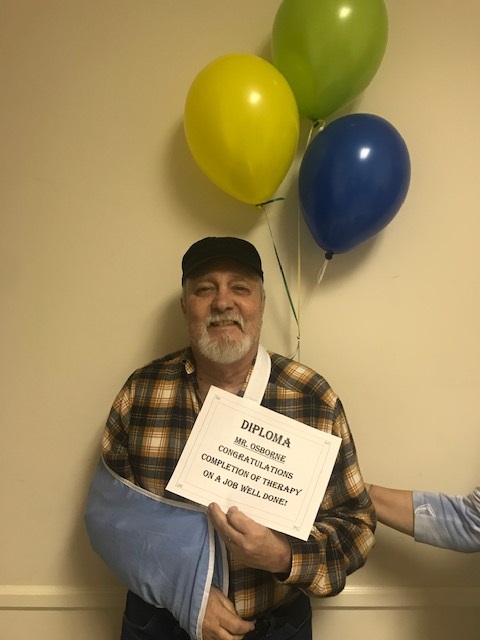
“I have greatly enjoyed my stay at Seneca Place, all of the staff are so kind and accommodating. The therapy department has been so patient in working with me in order to get me stronger that I may return home. I would recommend Seneca Place to anyone who needs therapy!”
Great job, Mr. Osborne!
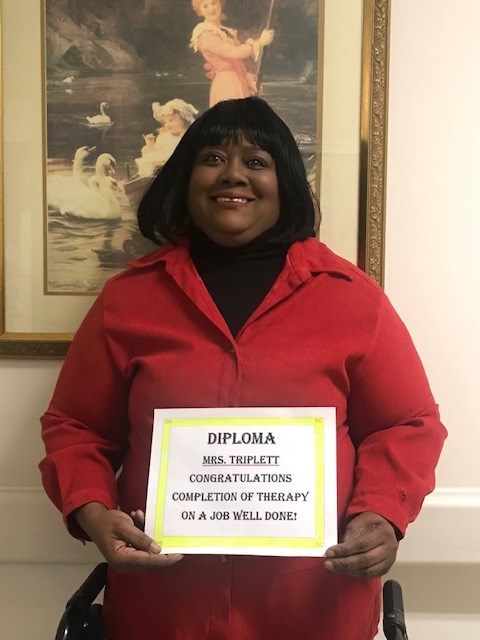
“Upon admission to Seneca Place, I was unable to put weight on my left side and needed two people to help me stand. I was also unable to walk or complete activities to get ready for the day. After participating in therapy, I was able to walk over 400 feet with a walker before needing to rest and complete all of my basic needs without anyone helping me.”
Congratulations to Mrs. Triplett! We are so happy for you!

“I have had a very good experience at Seneca Place. All of the staff have been very kind and helpful. Before admitting to Seneca Place I was struggling with my daily activities, after working with the therapy department I am now able to get ready for the day without assistance.”
We are so proud of Mr. Effinger on all of his Successes!