
Follow Seneca Place on Facebook!  Click Here

To see a list of frequently asked questions please Click Here

Seneca Place

Latest News

Latest News

Omicron Variant: What You Need to Know

December 10, 2021

Emergence of Omicron

On November 24th, 2021, a new variant of SARS-CoV-2, B.1.1.529, was reported to the World Health Organization (WHO). This new variant was first detected in specimens collected on November 11, 2021, in Botswana and on November 14, 2021 in South Africa.

On November 26, 2021, WHO named the B.1.1.529 Omicron and classified it as a Variant of Concern (VOC). On November 30, 2021, the United States designated Omicron as a Variant of Concern, and on December 1, 2021, the first confirmed US case of Omicron was identified.

CDC had been collaborating with global public health and industry partners to learn about Omicron, as we continue to monitor its course. CDC has been using genomic surveillance throughout the course of the pandemic to track variants of SARS-CoV-2, the virus that causes COVID-19, and inform public health practice. We don’t yet know how easily it spreads, the severity of illness it causes, or how well available vaccines and medications work against it.

Despite the increased attention of Omicron, Delta continues to be the main variant circulating in the United States.

Where has Omicron been Detected in the United States

CDC is working with state and local public health officials to monitor the spread of Omicron. This map shows the states that have detected at least one case of COVID-19 illness caused by the Omicron variant. Omicron will be included in variant surveillance data on CDC’s COVID Data Tracker when it can be reliably estimated at a low frequency.

What We Know about Omicron

Infection and Spread

  • How easily does Omicron spread? The Omicron variant likely will spread more easily than the original SARS-CoV-2 virus and how easily Omicron spreads compared to Delta remains unknown. CDC expects that anyone with Omicron infection can spread the virus to others, even if they are vaccinated or don’t have symptoms.
  • Will Omicron cause more severe illness? More data are needed to know if Omicron infections, and especially reinfection and breakthrough infections in people who are fully vaccinated, cause more severe illness or death than infection with other variants.
  • Will vaccines work against Omicron? Current vaccines are expected to protect against severe illness, hospitalizations, and deaths due to infection with the Omicron variant. However, breakthrough infections in people who are fully vaccinated are likely to occur. With other variants, like Delta, vaccines have remained effective at preventing severe illness, hospitalization, and death. The recent emergence of Omicron further emphasizes the importance of vaccination and boosters.
  • Will treatments work against Omicron? Scientists are working to determine how well existing treatments for COVID-19 work. Based on the changed genetic make-up of Omicron, some treatments are likely to remain effective while others may be less effective.

We have the Tools to Fight Omicron

Vaccines remain the best public health measure to protect people from COVID-19, slow transmission, and reduce the likelihood of new variants emerging. COVID-19 vaccines are highly effective at preventing severe illness, hospitalizations, and death. Scientists are currently investigating Omicron, including how protected fully vaccinated people will be against infection, hospitalization, and death. CDC recommends that everyone 5 years and older protect themselves from COVID-19 by getting fully vaccinated. CDC recommends that everyone ages 18 years and older should get a booster shot at least two months after their initial J&J/Janssen vaccine or six months after completing their primary COVID-19 vaccination series of Pfizer-BioNTech or Moderna.

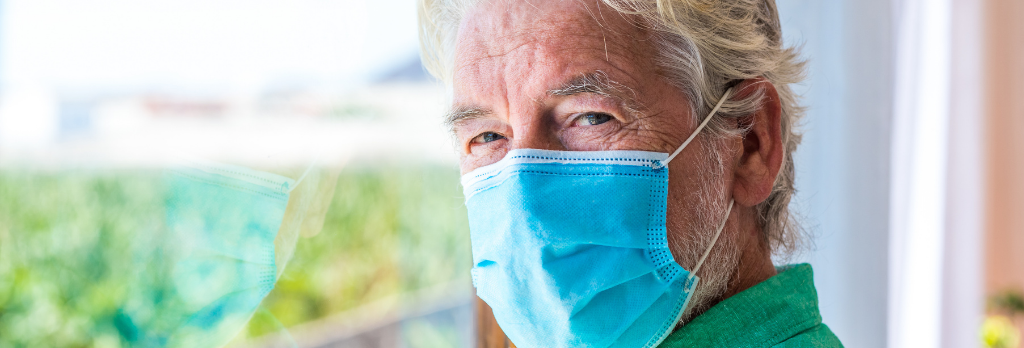
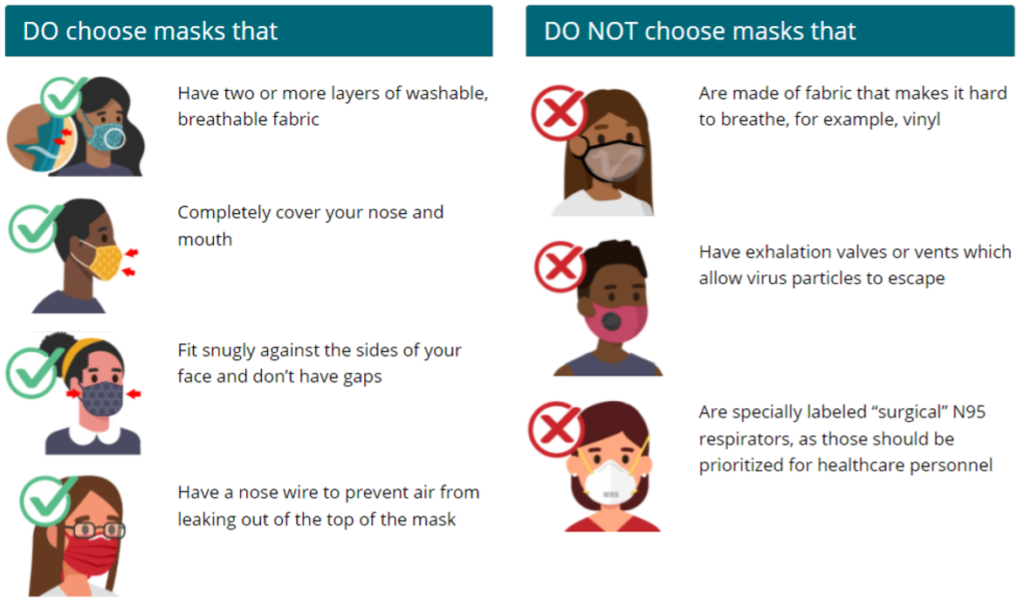
Masks offer protection against all variants. CDC continues to recommend wearing a mask in public indoor settings in areas of substantial or high community transmission, regardless of vaccination status. CDC provides advice about masks for people who want to learn more about what type of mask is right for them depending on their circumstances.

Tests can tell you if you are currently infected with COVID-19. Two types of tests are used to test for current infection: nucleic acid amplifications tests (NAATS) and antigen tests. NAAT and antigen tests can only tell you if you have a current infection. Individuals can use the COVID-19 Viral Testing Tool to help determine what kind of test to seek. Additional tests would be needed to determine if your infection was caused by Omicron. Visit your statetribal, local, or territorial health department’s website to look for the latest local information on testing.

Self-tests can be used at home or anywhere, are easy to use, and produce rapid results. If your self-test has a positive result, stay home or isolate for 10 days, wear a mask if you have contact with others, and call your healthcare provider. If you have any questions about your self-test result, call your healthcare provider or public health department.

Until we know more about the risk of Omicron, it is important to use all tools available to protect yourself and others.

What CDC is Doing to Learn about Omicron

Virus Characteristics

CDC scientists are working with partners to gather data and virus samples that can be studied to answer important questions about the Omicron variant. Scientific experiments have already started. CDC will provide updates as soon as possible.

Variant Surveillance

In the United States, CDC uses genomic surveillance to track variants of SARS-CoV-2, the virus that causes COVID-19 to more quickly identify and act upon these findings to best protect the public’s health. CDC established multiple ways to connect and share genomic sequence data being produced by CDC, public health laboratories, and commercial diagnostic laboratories within publicly accessible databases maintained by the National Center for Biotechnology Information (NCBI) and the Global Initiative on Sharing Avian Influenza Data (GISAID). If a variant is circulating at 0.1% frequency, there is a >99% chance that it will be detected in CDC’s national genomic surveillance.

For more information, please visit https://www.cdc.gov/coronavirus/2019-ncov/variants/omicron-variant.html.
Success Story: Phyllis Turner

December 7, 2021

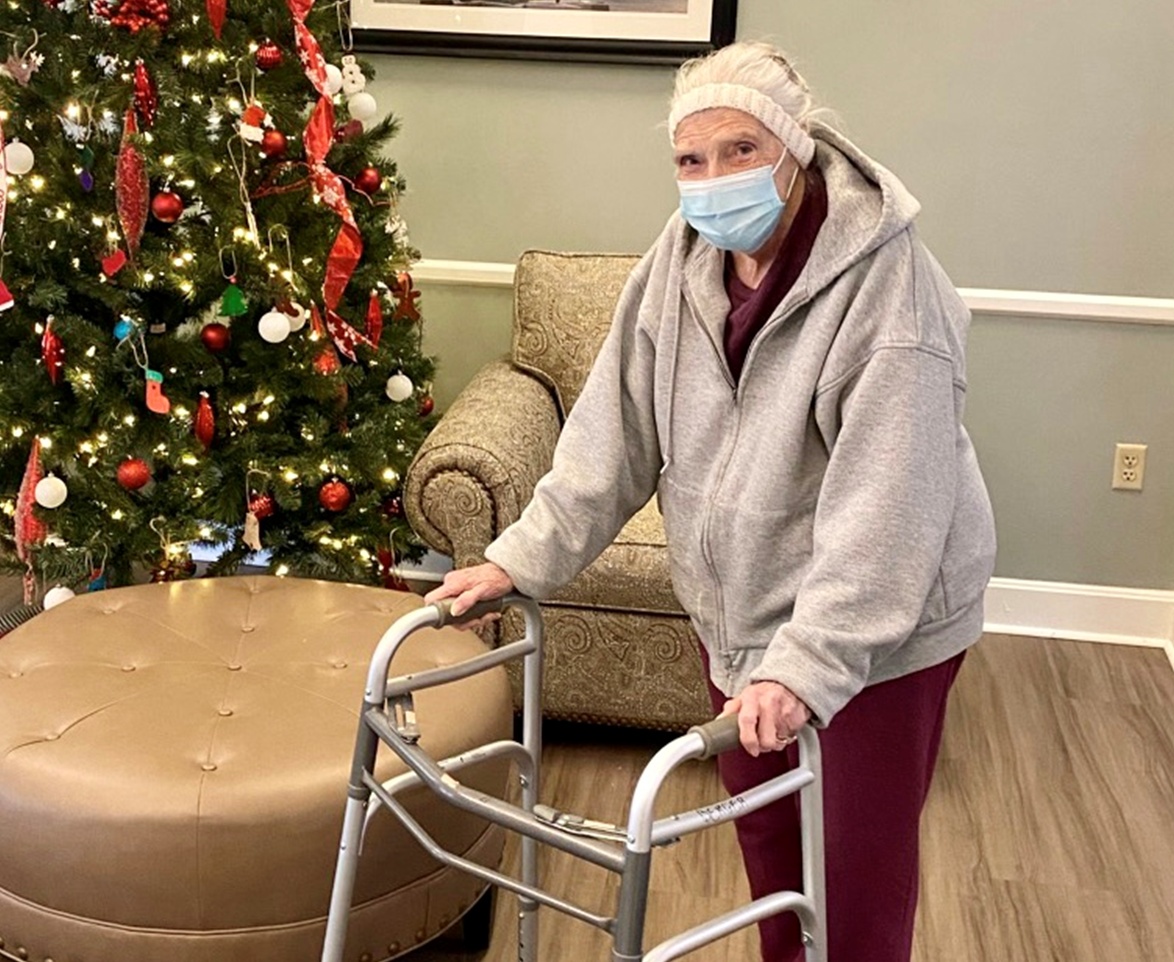
Seneca Place is thrilled to spotlight resident Phyllis Turner’s Success Story!

Ms. Phyllis Turner arrived at Seneca Place on November 1st, 2021 after being hospitalized for multiple days. When she arrived, she was unable to walk, transfer, or participate in activities of daily living. Thanks to her hard work, dedication, and her Care Team, Ms. Phyllis can now walk and transfer independently! She is also now able to perform all self-care tasks independently. Not only did Ms. Turner meet her goals, but she is also now able to return home before the Holidays. We at Seneca Place thank Ms. Turner and wish her the very best!

Improving Ventilation in Your Home

December 3, 2021

Staying home with only members of your household is the best way to keep SARS-CoV-2 (the virus that causes COVID-19) particles out of your home. However, if a visitor needs to be in your home, improving ventilation (airflow) can help prevent virus particles from accumulating in the air in your home. Good ventilation, along with other preventive actions, like staying 6 feet apart and wearing masks, can help prevent you from getting and spreading COVID-19.

Interactive Ventilation Tool

Use this tool to learn how you can decrease the level of COVID-19 virus particles during and after a guest visits your home. Get started.

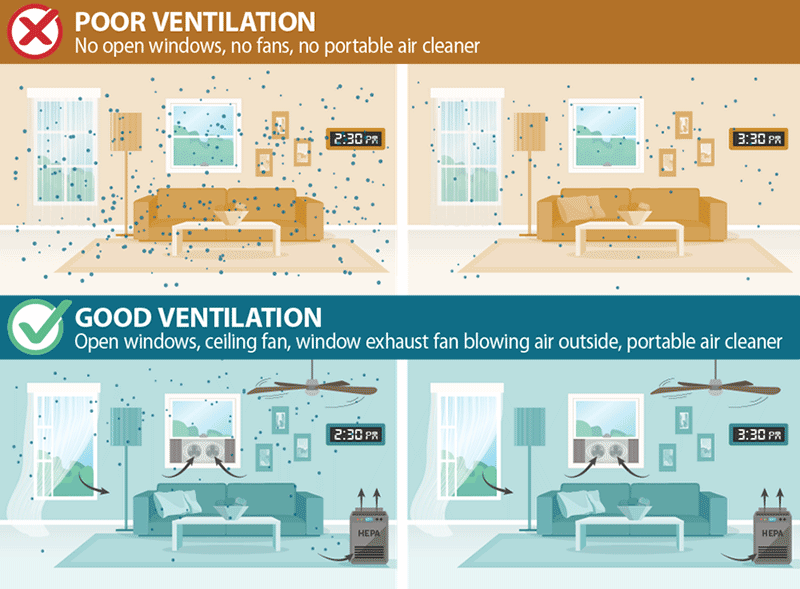
Below are ways you can improve ventilation in your home. Use as many ways as you can (open windows, use air filters, and turn on fans) to help clear out virus particles in your home faster.

Bring as much fresh air into your home as possible. Bringing fresh, outdoor air into your home helps keep virus particles from accumulating inside.

  • If it’s safe to do so, open doors and windows as much as you can to bring in fresh, outdoor air. While it’s better to open them wide, even having a window cracked open slightly can help.
  • If you can, open multiple doors and windows to allow more fresh air to move inside.
  • Do not open windows and doors if doing so is unsafe for you or others (for example, presence of young children and pets, risk of falling, triggering asthma symptoms, high levels of outdoor pollution).
  • If opening windows or doors is unsafe, consider other approaches for reducing virus particles in the air, such as using air filtration and bathroom and stove exhaust fans.
  • Use fans to move virus particles in the air from inside your home to outside. Consider using a window exhaust fan if you have one. Be sure it is placed safely and securely in the window. Another option is to place a fan as close as possible to an open window or door, blowing outside. Don’t leave fans unattended with young children.

Filter the Air in Your Home

If your home has a central heating, ventilation, and air conditioning system, (HVAC, a system with air ducts that go throughout the home) that has a filter, do the following to help trap virus particles:

  • In home where the HVAC fan operation can be controlled by a thermostat, set the fan to the “on” position instead of “auto” when you have visitors. This allows the fan to run continuously, even if heating or air conditioning is not on.
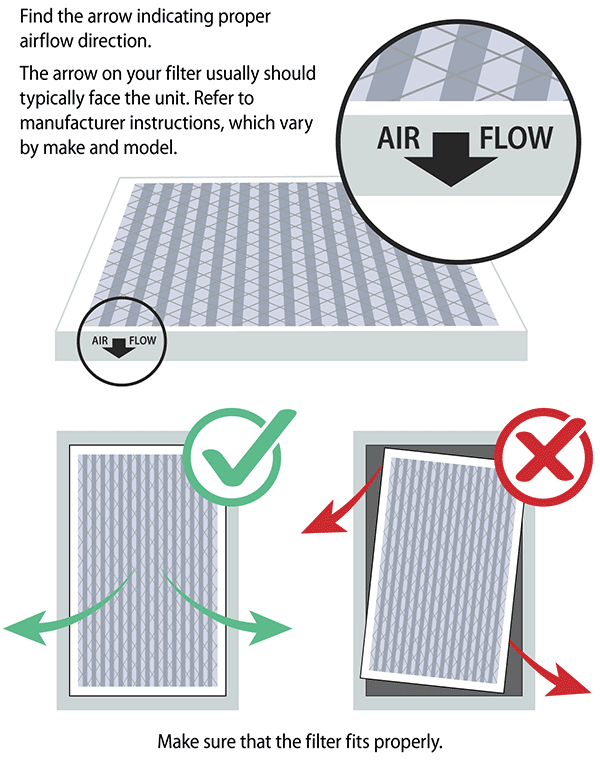
  • Use pleated filters – they are more efficient than ordinary furnace filters and can be found in hardware stores. They should be installed initially within the HVAC system by a professional, if possible. If that is not possible, carefully follow manufacturer’s instructions to replace the filter yourself.
  • Make sure the filter fits properly in the unit.
  • Change your filter every three months or according to the manufacturer’s instructions.
  • Ideally, have the ventilation system inspected and adjusted by a professional every year to make sure it is operating efficiently.

Turn on the Exhaust in Your Bathroom and Kitchen

Exhaust fans above your stovetop and in your bathroom that vent outdoors can help move air outside. Although some stove exhaust fans don’t send their air to the outside, they can still improve airflow and keep virus particles from being concentrated in one place.

  • Keep the exhaust fan turned on over your stovetop and in your bathroom if you have visitors in your home.
  • Keep the exhaust fans turned on for an hour after your visitors leave to help remove virus particles that might be in the air.

Use Fans to Improve Airflow

  • Place a fan as close as possible to an open window blowing outside. This helps get rid of virus particles in your home by blowing air outside. Even without an open window, fans can imrpove airflow.
  • Point fans away from people. Pointing fans toward people can possibly cause contaminated air to flow directly at them.
  • Use ceiling fans to help improve airflow in the home whether or not windows are open.

Limit the Number of Visitors in Your Home and the Time Spent Inside

The more people inside your home, and the longer they stay, the more virus particles can accumulate.

  • List the numbers of visitors in your home.
  • Try to gather in large rooms or areas where you can stay at least 6 feet apart.
  • Be sure that everyone wears a mask while visitors are in your home. This includes visitors as well as the people who usually live in your home.
  • Keep visits as short as possible.
  • Follow additional recommendations for hosting gatherings.

To learn more information and alternative methods for ventilating your home, please visit

https://www.cdc.gov/coronavirus/2019-ncov/community/ventilation.html.

Interim Infection Prevention and Control Recommends to Prevent SARS-CoV-2 Spread in Nursing Homes

November 22, 2021

Summary of Recent Changes

  • Updated outbreak response guidance to promote use of contact tracing approach. Alternative broad-based approaches to outbreak response at a facility-wide or unit level are also described.
  • Updated expanded screening testing recommendations for healthcare personnel (HCP).
  • Updated recommendations for quarantine of fully vaccinated residents.
  • Updated visitation guidance.

Key Points

  • Older adults living in congregate setting are at high risk of being affected by respiratory and other pathogens, such as SARS-CoV-2.
  • A strong infection prevention and control (IPC) program is critical to protect both residents and healthcare personnel (HCP).
  • Even as nursing homes resume normal practices, they must sustain core IPC practices and remain vigilant for SARS-CoV-2 infection among residents and HCP in order to prevent spread and protect residents and HCP from severe infections, hospitalizations, and death.

In general, healthcare facilities should continue to follow the IPC recommendations for unvaccinated individuals (e.g., use of Transmission-Based Precautions for those that have had close contact to someone with SARS-CoV-2 infection) when caring for fully vaccinated individuals with moderate to severe immunocompromise due to a medical condition or receipt of immunosuppressive medications or treatment.

Other factors, such as end-stage renal disease, likely pose a lower degree of immunocompromise and there might not be a need to follow the recommendations for those with moderate to severe immunocompromise. However, fully vaccinated people in this category should consider continuing to practice physical distancing and use of source control while in a healthcare facility.

Ultimately, the degree of immunocompromise for the patient is determined by the treating provider, and preventive actions are tailored to each individual and situation.

Infection Prevention and Control Program

Assign one or more individuals with training in infection control to provide on-site management of the IPC program.

  • This should be a full-time role for at least one person in facilities that have more than 100 residents or that provide on-site ventilator or hemodialysis services. Smaller facilities should consider staffing the IPC program based on the resident population are facility service needs identified in the IPC risk assessment.
  • CDC has created an online training course that can orient individuals to this role in nursing homes.

Provide supplies necessary to adhere to recommended IPC practices

  • Ensure HCP have access to all necessary supplies including alcohol-based hand sanitizer with 60-95% alcohol, personal protective equipment (PPE), and supplies for cleaning and disinfection.
    • Put FDA-approved alcohol-based hand sanitizer with 60-95% alcohol in every resident room (ideally both inside and outside of the room) and other resident care and common areas (e.g., outside dining hall, in therapy gym.)

Educate residents, HCP, and visitors about SARS-CoV-2, current precautions being taken in the facility, and actions they should take to protect themselves.

Vaccinations

Vaccinated residents and HCP against SARS-CoV-2

Source Control and Physical Distancing Measures

Refer to Interim Infection Control Recommendations for Healthcare Personnel During the COVID-19 Pandemic for details regarding source control and physical distancing measures recommended for vaccinated and unvaccinated HCP and residents.

Visitation

Have a plan for visitation

Additional information about visitation for nursing homes and intermediate care facilities for individuals with intellectual disabilities and psychiatric residential treatment facilities is available from CMS.

Personal Protective Equipment

Ensure proper use, handling and implementation of personal protective equipment

Testing

Create a plan for testing residents and HCP for SARS-CoV-2

  • Anyone with even mild symptoms of COVID-19, regardless of vaccination status, should receive a viral test as soon as possible.
  • Asymptomatic HCP with a higher-risk exposure and residents with close contact with someone with SARS-CoV-2 infection, regardless of vaccination status, should have a series of two viral tests for SARS-CoV-2 infection. In these situation, testing is recommended immediately (but not earlier than 2 days after exposure) and, if negative, again 5-7 days after the exposure. Criteria for use of post-exposure prophylaxis are described elsewhere.

Evaluating and Managing Personnel and Residents

Identify space in the facility that could be dedicated to monitor and care for residents with confirmed SARS-CoV-2 infection

  • Determine the location of the COVID-19 care unit and create a staffing plan.
  • The location of the COVID-19 care unit should ideally by physically separated from other rooms or units housing residents without confirmed SARS-CoV-2 infection. This could be a dedicated floor, unit, or wing in the facility or a group of rooms at the end of the unit that will be used to cohort residents with SARS-CoV-2 infection.
  • Identify HCP who will be assigned to work only on the COVID-19 care unit when it is in use. At a minimum, this should include the primary nursing assistants (NAs) and nurses assigned to care for these residents. If possible, HCP should avoid working on both the COVID-19 care unit and other units during the same shift.
    • To the extent possible, restrict access of ancillary personnel (e.g., dietary) to the unit.
    • Ideally, environmental services (EVS) staff should be dedicated to this unit, but to the extent possible, EVS staff should avoid working on both the COVID-19 care unit and other units during the same shift.
    • To the extent possible, HCP dedicated to the COVID-19 care unit (e.g., NA and nurses) will also be performing cleaning and disinfection of high-touch surfaces and shared equipment when in the room for resident care activities. HCP should bring an Environmental Protection Agency (EPA)- registered disinfectant (e.g., wipe) from List N into the room and wipe down high-touch surfaces (e.g., light switch, doorknob, bedside table) before leaving the room.

Manage Residents with Close Contact

Manage residents who had close contact with someone with SARS-CoV-2 infection

  • Unvaccinated residents who have had close contact with someone with SARS-CoV-2 infection should be placed in quarantine for 14 days after their exposure, even if viral testing is negative. HCP caring for them should use full PPE (gowns, gloves, eye protection, and N95 or higher-level respirator).
  • Fully vaccinated residents who have had close contact with someone with SARS-CoV-2 infection should wear source control and be tested as described in the testing section. Fully vaccinated residents and residents with SARS-CoV-2 infection in the last 90 days do not need to be quarantined, restricted to their room, or cared for by HCP using the full PPE recommended for the care of a resident with SARS-CoV-2 infection unless they develop symptoms of COVID-19, are diagnosed with SARS-CoV-2 infection, or the facility is directed to do so by the jurisdiction’s public health authority. Additional potential exceptions are described here.

Definitions:

Healthcare Personnel (HCP): HCP refers to all paid and unpaid persons serving in healthcare settings who have the potential for direct or indirect exposure to patients or infectious materials, including body substances (e.g., blood, tissue, and specific body fluids); contaminated medical supplies, devices, and equipment; contaminated environmental surfaces; or contaminated air. HCP include, but are not limited to, emergency medical service personnel, nurses, nursing assistants, home healthcare personnel, physicians, technicians, therapists, phlebotomists, pharmacists, dental healthcare personnel, students and trainees, contractual staff not employed by the healthcare facility, and persons not directly involved in patient care, but who could be exposed to infectious agents that can be transmitted in the healthcare setting (e.g., clerical, dietary, environmental services, laundry, security, engineering and facilities management, administrative, billing, and volunteer personnel).

Source Control: Use of well-fitting cloth masks, facemasks, or respirators to cover a person’s mouth and nose to prevent spread of respiratory secretions when they are breathing, talking, sneezing, or coughing. Cloth masks, facemasks, and respirators should not be placed on children under the age of 2, anyone who cannot wear one safely, such as someone who has a disability or an underlying medical condition that precludes wearing a cloth masks, facemask, or respirator safely, or anyone who is unconscious, incapacitated, or otherwise unable to remove their cloth mask, facemask, or respirator without assistance. Face shields alone are not recommended for source control.

Respirator: A respirator is a personal protective device that is worn on the face, covers at least the nose and mouth, and is used to reduce the wearer’s risk of inhaling hazardous airborne particles (including dust particles and infectious agents), gases, or vapors. Respirators are certified by CDC/NIOSH, including those intended for use in healthcare.

Nursing Home-onset SARS-CoV-2 Infections: refers to SARS-CoV-2 infections that originated in the nursing home. It does not refer to the following:

  • Residents who were known to have SARS-CoV-2 infection on admission to the facility and were placed into appropriate Transmission-Based Precautions to prevent transmission to others in the facility.
  • Residents who were placed into Transmission-Based Precautions on admission and developed SARS-CoV-2 infection within 14 days after admission.

To learn more, please visit https://www.cdc.gov/coronavirus/2019-ncov/hcp/long-term-care.html

Success Story: Terry Lochner

November 18, 2021

Seneca Place is thrilled to spotlight resident Terry Lochner’s Success Story!

Mr. Lochner admitted to Seneca Place and immediately began therapy due to his inability to stand or walk. He worked hard with the help of his rehabilitation team and made great progress, regaining back most of his independence. He is now able to stand and walk, dress himself, and attend many group activities. We are so proud of how far Mr. Lochner and his Care team have come to meeting his goals. Congratulations on your success!

Possibility of COVID-19 Illness After Vaccination

November 12, 2021

COVID-19 vaccines are effective at preventing infection, serious illness, and death. Most people who get COVID-19 are unvaccinated. However, since vaccines are not 100% effective at preventing infection, some people who are fully vaccinated will still get COVID-19.

An infection of a fully vaccinated person is referred to as a “vaccine breakthrough infection”.

Key Points

  • COVID-19 vaccines protect everyone ages 5 years and older from getting infected and severely ill, and significantly reduce the likelihood of hospitalization and death.
  • Getting vaccinated is the best way to slow the spread of COVID-19 and to prevent infection by Delta or other variants.
  • A vaccine breakthrough infection happens when a fully vaccinated person gets infected with COVID-19. People with vaccine breakthrough infections may spread COVID-19 to others.
  • Even if you are fully vaccinated, if you live in an area with substantial or high transmission of COVID-19, you – as well as your family and community – will be better protected if you wear a mask when you are in indoor public places.
  • People who are immunocompromised may not always build adequate levels of protection after an initial 2-dose primary mRNA COVID-19 vaccine series. They should continue to take all precautions recommended for unvaccinated people, until advised otherwise by their healthcare professional. Further, CDC recommends that moderately to severely immunocompromised people can receive an additional primary dose of the vaccine.

What We Know About Vaccine Breakthrough Infections

  • Vaccine breakthrough infections are expected. COVID-19 vaccines are effective at preventing most infections. However, like other vaccines, they are not 100% effective.
  • Fully vaccinated people with a vaccine breakthrough infection are less likely to develop serious illness than those who are unvaccinated and get COVID-19.
  • Even when fully vaccinated people develop symptoms, they tend to be less severe symptoms than in unvaccinated people. This means they are much less likely to be hospitalized or die than people who are not vaccinated.
  • People who get vaccine breakthrough infections can be contagious.

CDC is collecting data on vaccine breakthrough infections and is closely monitoring the safety and effectiveness of all Food and Drug Administration (FDA) approved and authorized COVID-19 vaccines.

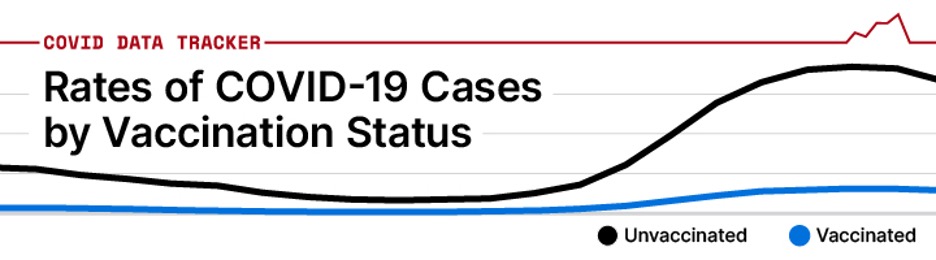
Because vaccines are not 100% effective, as the number of people who are fully vaccinated goes up, the number of vaccine breakthrough infections will also increase. However, the risk of infection remains much higher for unvaccinated than vaccinated people.

The latest data on rates of COVID-19 cases, hospitalizations, and deaths by vaccination status are available from the CDC COVID Data Tracker.

Vaccine Breakthrough and Variants

CDC continues to actively monitor vaccine safety and effectiveness against new and emerging variants for all FDA-authorized COVID-19 vaccines. Research shows that the FDA-authorized vaccines offer protection against severe disease, hospitalization, and death against currently circulating variants in the United States. However, some people who are fully vaccinated will get COVID-19.

The Delta variant is more contagious than previous variants of the virus that causes COVID-19. However, studies so far indicate that the vaccines used in the United States work well against the Delta variant, particularly in preventing severe disease and hospitalization.

Overall, if there are more COVID-19 infections, there will be more vaccine breakthrough infections. However, the risk of infection, hospitalization, and death is much lower in vaccinated compared to unvaccinated people. Therefore, everyone ages 5 years and older should get vaccinated to protect themselves and those around them, including family members who are not able to be vaccinated from severe disease and death.

How CDC Monitors Breakthrough Infections

CDC has multiple surveillance systems and ongoing research studies to monitor the performance of vaccines in preventing infection, disease, hospitalization, and death. CDC also collects data on vaccine breakthrough infections through outbreak investigations.

About COVID-NET

One important system that CDC uses to track vaccine breakthrough infections is COVID-NET (The Coronavirus Disease 2019 [COVID-19]-Associated Hospitalization Surveillance Network). This system provides the most complete data on vaccine breakthroughs in the general population. COVID-NET is a population-based surveillance system that collects reports of lab-confirmed COVID-19 related hospitalizations in 99 countries, in 14 states.

COVID-NET covers approximately 10% of the US population. One recent COVID-NET publication assessed the effectiveness of COVID-19 vaccines in preventing hospitalization among adults 65 years and older. This system provides complete data on vaccine breakthrough hospitalizations in the general population.

Examples of CDC’s Systems for Monitoring:

Outcome MonitoredPopulation MonitoredMonitoring System
InfectionLong-term care facility residentsNHSN
Infection and symptomatic illnessHealthcare providers and frontline workersHEROES/RECOVER
Hospitalizations and deathsHospitalized adultsIVY
Hospitalizations and deathsHospitalized people (all ages)COVID-NET
Urgent care, emergency care,
hospitalization, and deaths
Urgent Care, emergency departments,
and hospitalized people (all ages)
VISION

Voluntary Reporting by State Health Departments

When the United States began widespread COVID-19 vaccinations, CDC put in place a system where state health departments could report COVID-19 vaccine breakthrough infections to CDC.

On May 1, 2021, after collecting data on thousands of vaccine breakthrough infections, CDC changed the focus of how it uses data from this reporting system.

  • One of the strengths of this system is collecting data on severe cases of COVID-19 vaccine breakthrough infections since it is likely that most of these types of vaccine breakthrough cases seek medical care and are diagnosed and reported as a COVID-19 case.
  • Persons with asymptomatic or mild cases of vaccine breakthrough infections may not seek testing or medical care and thus these types of vaccine breakthrough cases may be underrepresented in this system. For this reason, CDC relies on a variety of additional surveillance approaches to ensure that it is collecting information on all types of vaccine breakthrough cases.
  • CDC continues to monitor data on all cases reported by the state health department as vaccine breakthrough cases. Currently, 49 states have reported at least one vaccine breakthrough infection to this system.

Families with Vaccinated and Unvaccinated Members

November 8, 2021

What You Need To Know

  • If you’ve been fully vaccinated against COVID-19, you’ve taken the first step toward protecting yourself and your family and returning to many of the activities you did before the pandemic.
  • To maximize protection from the Delta variant of the virus that causes COVID-19 and prevent possibly spreading it to others, wear a mask indoors in public if you are in an area of substantial or high transmission.
  • Wearing a mask is most important if you have a weakened immune system or if, because of your age or an underlying medical condition, you are at increased risk for severe disease, or if someone in your household has a weakened immune system, is at increased risk for severe disease, or is unvaccinated. If this applies to you or your household, you might choose to wear a mask regardless of the level of transmission in your area.

How Can I Protect My Unvaccinated Family Members?

These are the best ways to protect your unvaccinated family members, including children who cannot get vaccinated yet:

  • Get vaccinated yourself. COVID-19 vaccines reduce the risk of people getting COVID-19 and can also reduce the risk of spreading it.
  • Be sure to get everyone in your family who is 5 years or older vaccinated against COVID-19.
  • Wear a mask
    • To maximize protection from the Delta variant and prevent possibly spreading it to others, have everyone in your family, even those who are vaccinated, wear a mask indoors in public if you are in an area of substantial or high transmission.
    • You might choose to have everyone in your family, even those who are vaccinated, wear a mask indoors in public regardless of the level of transmission in your area.
    • Unvaccinated family members, including children ages 2 and older, should wear a mask in all indoor public settings.
      • To set an example, you also might choose to wear a mask.
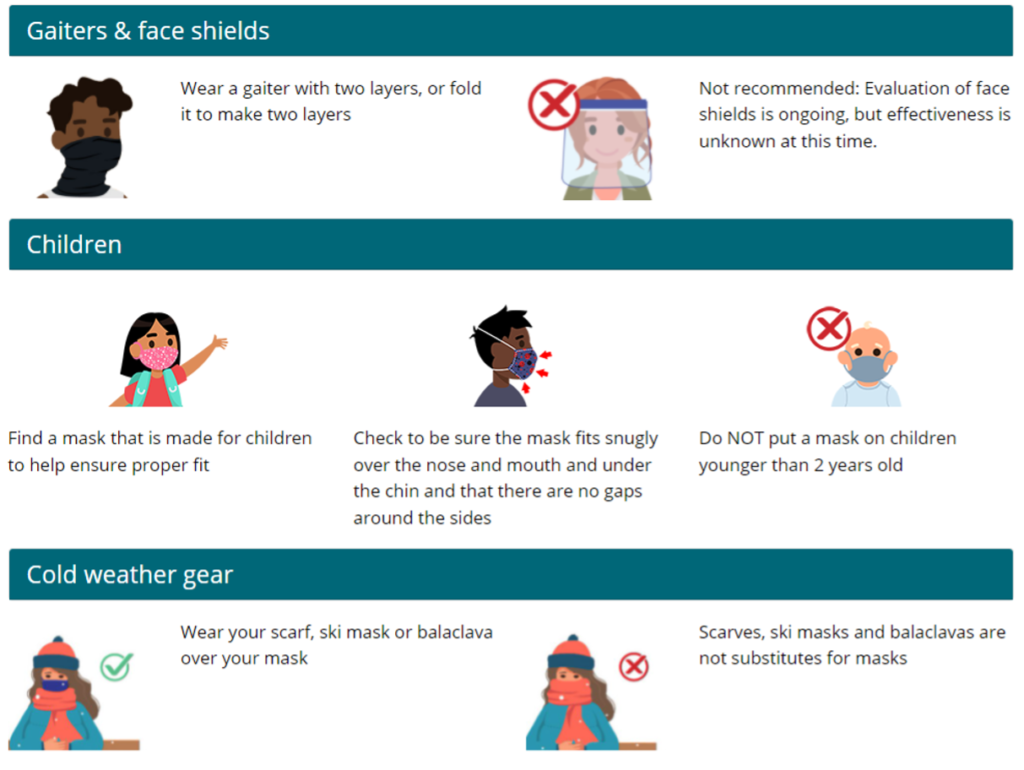
      • Do NOT put a mask on children younger than 2 years old.

How Do I Protect A Family Member Who Has A Condition Or Is Taking Medications That Weaken Their Immune System?

  • Get vaccinated yourself. COVID-19 vaccines reduce the risk of people getting COVID-19 and can also reduce the risk of spreading it.
  • People who have a condition or are taking medications that weaken their immune system may NOT be protected, even if they are fully vaccinated. They should continue to take all precautions recommended for unvaccinated people, including wearing a well-fitted mask.
  • If you live with someone who has a weakened immune system or is at increased risk for severe disease, you might choose to wear a mask in all indoor public settings regardless of the level of transmission in your area.

Choose Safer Activities For Your Family

  • Outdoor activities are safer than indoor ones. If you are indoors, choose a location that is well ventilated, for example, a room with open windows, and know when to wear a mask.
  • Avoid activities that make it hard to stay 6 feet away from others.
  • If your family member is younger than 2 years old or cannot wear a mask, limit visits with people who are not vaccinated or whose vaccinated status is unknown and keep distance between your child and other people in public.

Regardless of which safer activities your family chooses, remember to protect yourself and others. To learn more, please visit https://www.cdc.gov/coronavirus/2019-ncov/your-health/about-covid-19/caring-for-children/families.html.

How to Select, Wear, and Clean Your Mask

November 1, 2021

Your Guide to Masks

  • Everyone 2 years of age or older who is not fully vaccinated should wear a mask in indoor public places.
  • In general, you do not need to wear a mask in outdoor settings.
    • In areas with high numbers of COVID-19 cases, consider wearing a mask in crowded outdoor settings and for activities with close contact with others who are not fully vaccined.
  • People who have a condition or are taking medications that weaken their immune system may not be fully protected even if they are fully vaccinated. They should continue to take all precautions recommended for unvaccinated people, including wearing a well-fitted mask, until advised otherwise by their healthcare provider.
  • If you are fully vaccinated, to maximize protection from the Delta variant and prevent possible spreading to others, wear a mask indoors in public if you are in an area of substantial or high transmission.
  • If you are fully vaccined, see ‘When You’ve Been Fully Vaccinated‘.

Wearing a mask over your nose and mouth is required on planes, buses, trains, and other forms of public transportation traveling into, within, or out of the United States and while indoors at US transportation hubs such as airports and train stations. Travelers are not required to wear a mask in outdoor areas of a conveyance (like on open deck areas of a ferry or the uncovered top deck of a bus.)

How to Select

Special Considerations

Mask Use & Carbon Dioxide

  • Wearing a mask does not raise the carbon dioxide (CO2) level in the air you breathe.
  • Cloth masks and surgical masks do not provide an airtight fit across the face. CO2 escapes into the air through the mask when you breathe out or talk. CO2 molecules are small enough to easily pass through mask material. In contrast, the respiratory droplets that carry the virus that causes COVID-19 are much larger than CO2, so they cannot pass as easily through a properly designed and properly worn mask.
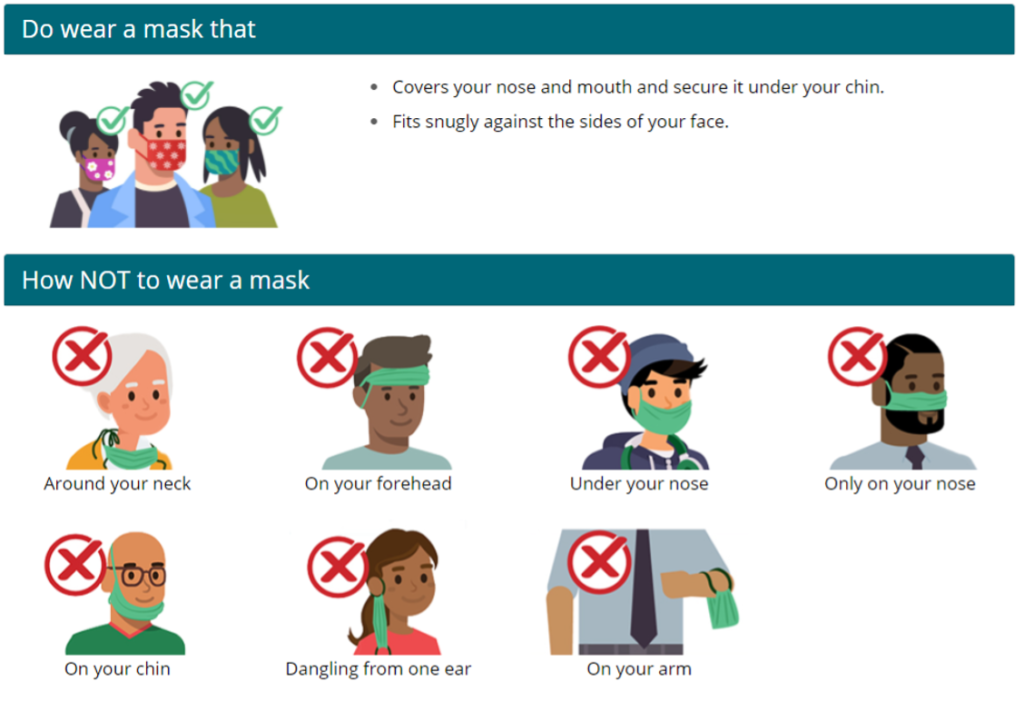
  • How to Wear

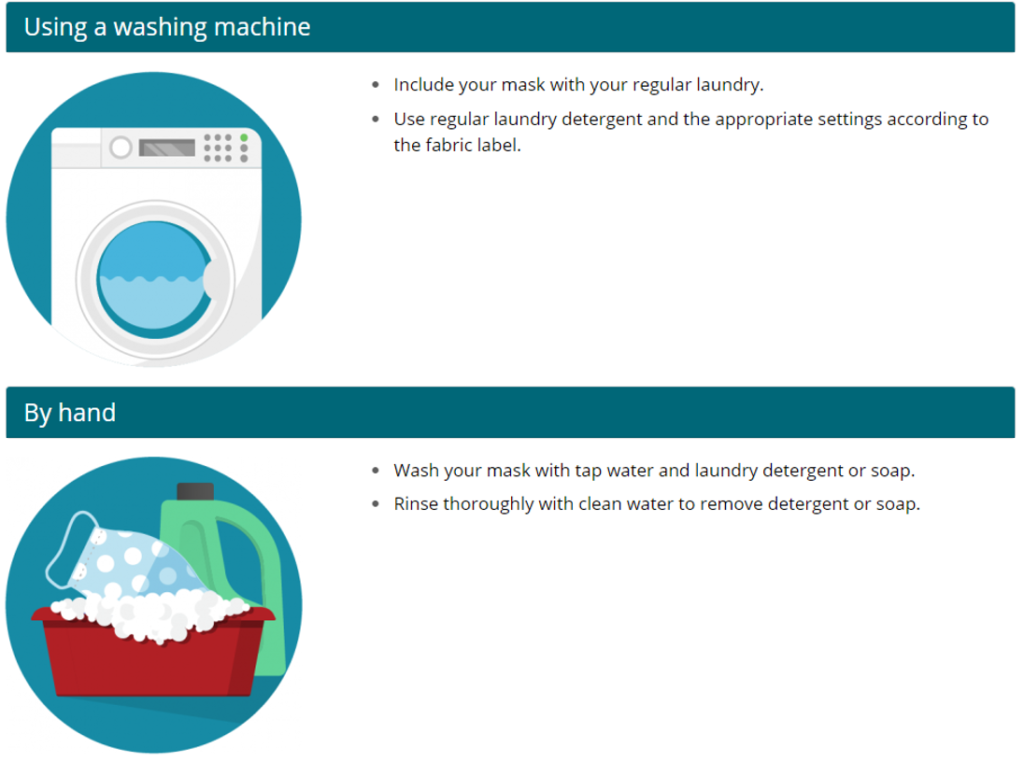
    How to Clean

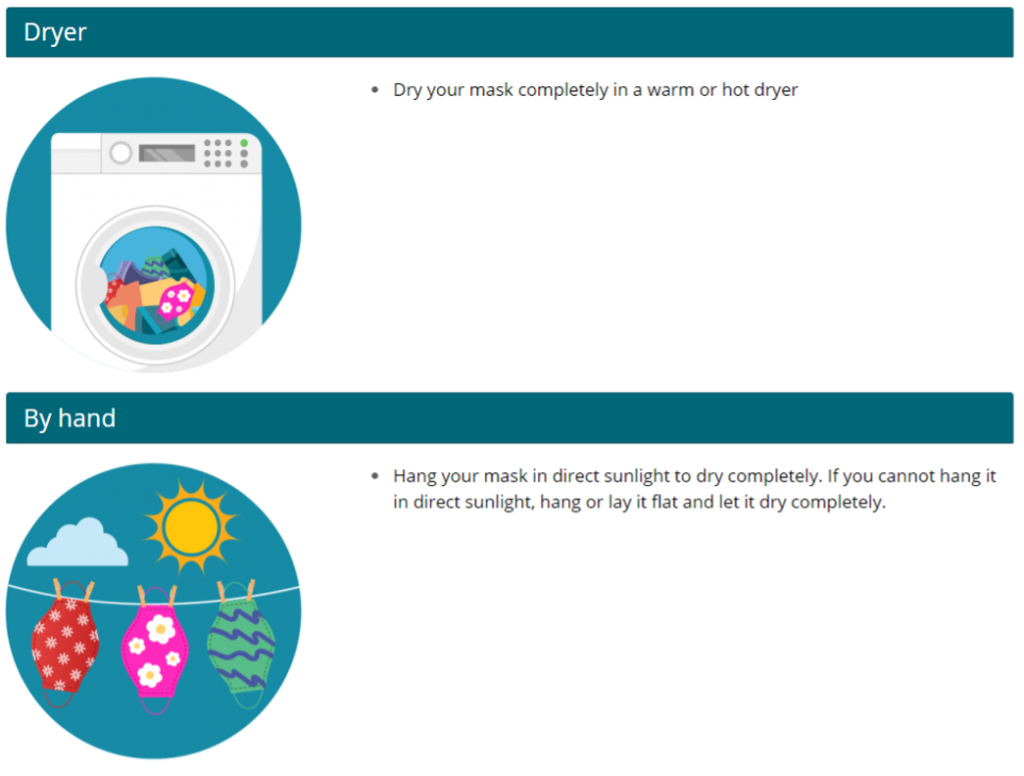
    Dry Your Mask

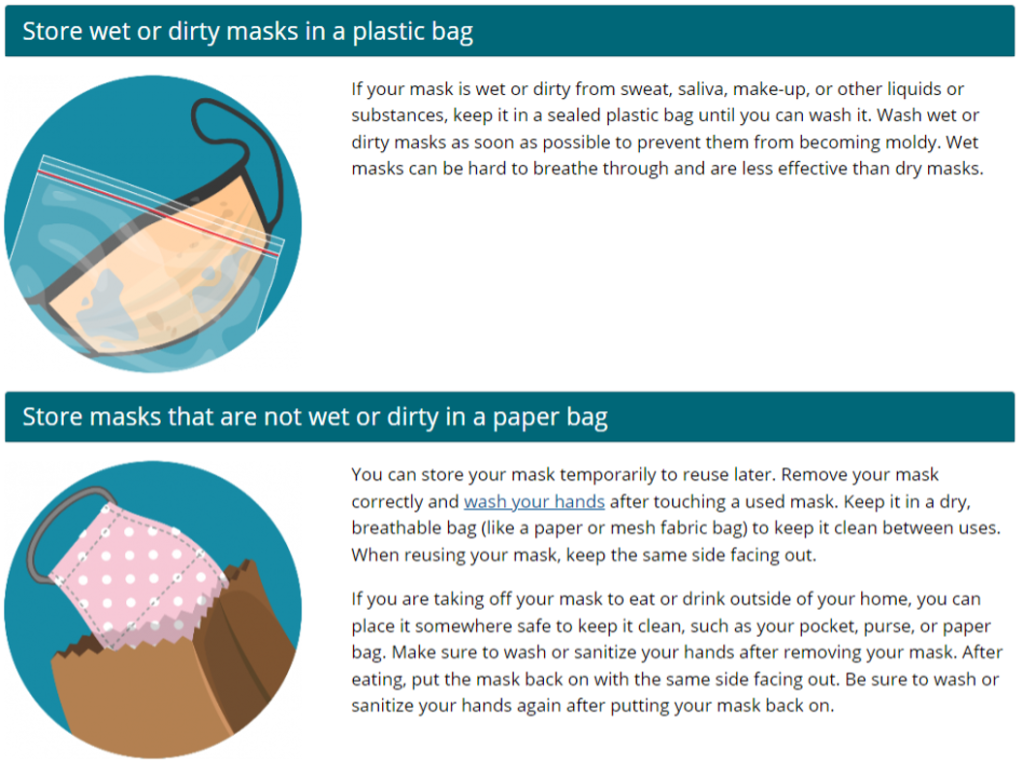
    How to Store